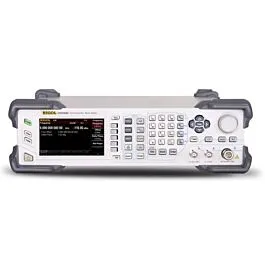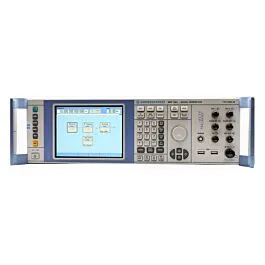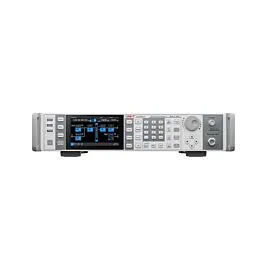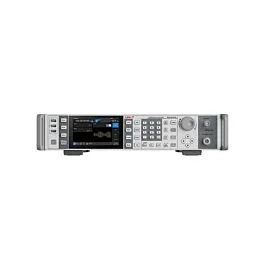
Signal Generators & Counters
Signal Generators & Counters
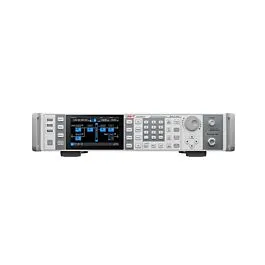
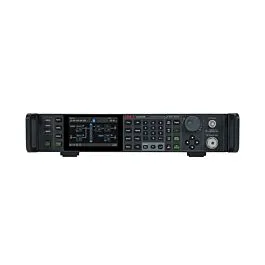
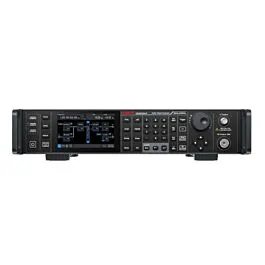
Signal generators and frequency counters are fundamental instruments in any electronics test laboratory. Signal generators produce controlled electrical waveforms — sine, square, pulse, and modulated — at defined frequencies, amplitudes, and modulation characteristics, serving as stimulus sources for circuit testing, calibration, and system verification. Frequency counters measure the frequency, period, and pulse width of electrical signals with high precision, providing traceable reference measurements for calibration and metrology applications.
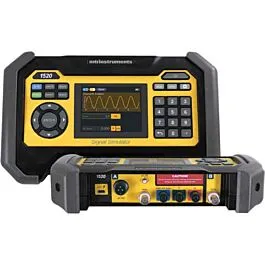
Modern signal generators may offer analog or vector modulation, enabling engineers to simulate complex communication signals including AM, FM, PM, and digitally modulated waveforms used in LTE, 5G, Wi-Fi, and radar systems. Portable calibrators extend these capabilities to field use, allowing on-site sensor and transducer simulation.
Typical Applications
- Circuit stimulation: providing reference signals to amplifiers, filters, and analog circuits during design verification
- Instrument calibration: generating precise reference frequencies and amplitudes to calibrate meters and analyzers
- RF communications testing: simulating modulated signals for receiver sensitivity and selectivity measurements
- Frequency measurement: counting oscillator outputs and verifying clock signals in digital and RF systems
- Sensor simulation: generating calibrated output signals from displacement, pressure, and vibration transducers
Popular Brands
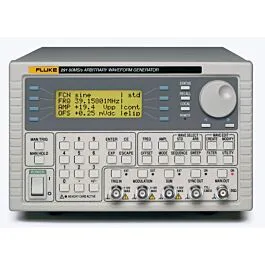
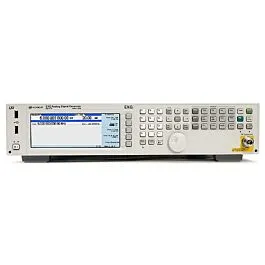
Keysight Technologies offers a wide portfolio from entry-level analog generators such as the N5171B to high-performance vector signal generators. Fluke produces precision waveform generators for calibration environments, while RIGOL provides cost-effective RF generators popular in R&D settings. MTI Instruments specializes in portable signal simulators and calibrators for sensor and transducer applications.