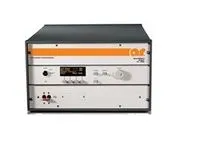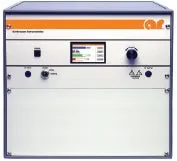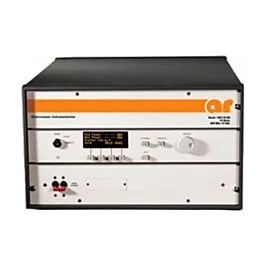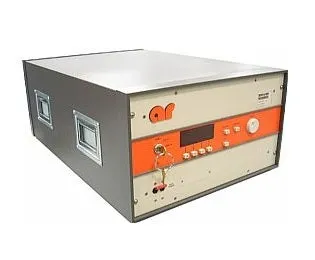
RF Amplifiers
RF Amplifiers
RF amplifiers are electronic devices that increase the power, voltage, or current of radio frequency signals, typically operating from a few kilohertz to tens of gigahertz. They are broadly classified by application — power amplifiers boost signal levels for transmission and testing, low-noise amplifiers (LNAs) preserve signal integrity in sensitive receivers, and broadband amplifiers cover wide frequency ranges for general laboratory use. Key specifications include frequency range, gain, output power in watts or dBm, noise figure, and linearity parameters such as IP3 and P1dB.
RF amplifiers are essential in EMC immunity testing, where high-power signals must be generated to stress devices under test. They are equally critical in radar systems, electronic warfare, satellite communications, and wireless infrastructure development. In laboratory settings, driver amplifiers and preamplifiers support signal generators, spectrum analyzers, and vector network analyzers across R&D and production environments.
Typical Applications
- EMC immunity testing per IEC 61000-4-3 and MIL-STD-461 requiring high field strength generation
- Radar and electronic warfare system development in defense laboratories
- Signal boosting for satellite uplink ground stations and VSAT systems
- Driver amplification for vector network analyzers and signal generators in R&D labs
- Wireless base station development and infrastructure testing
Popular Brands
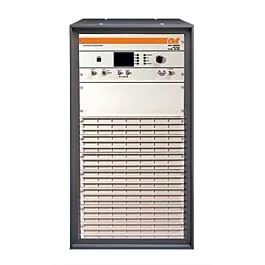
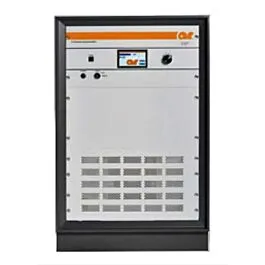
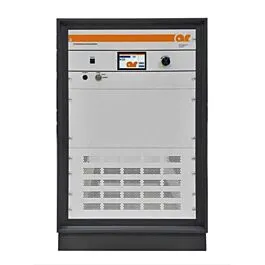
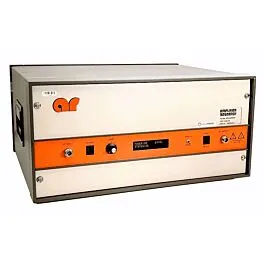
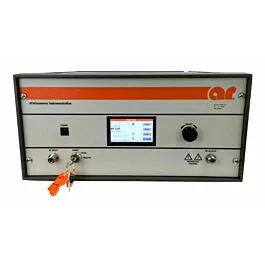
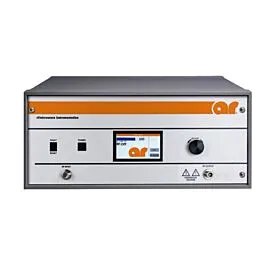
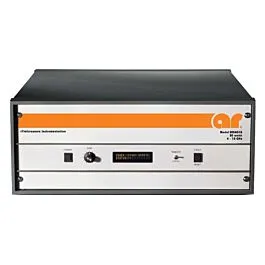
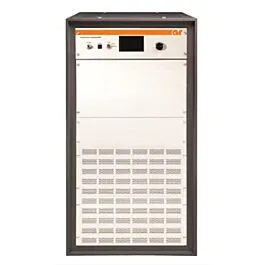
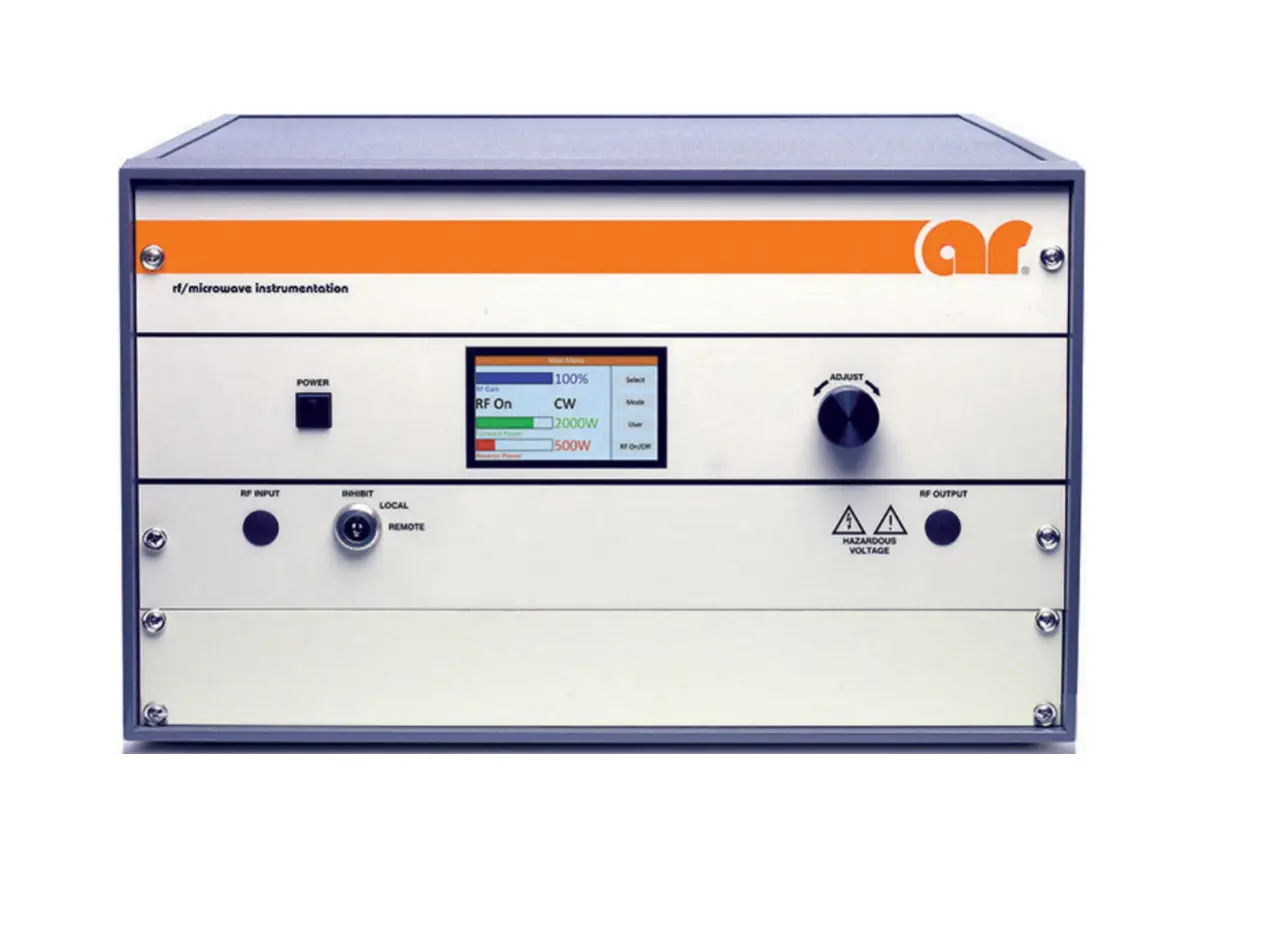
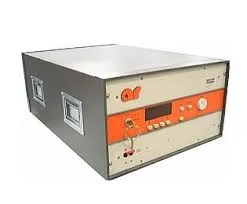
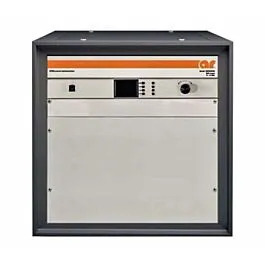
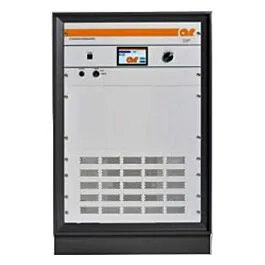
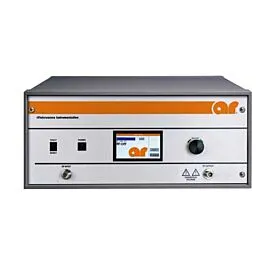
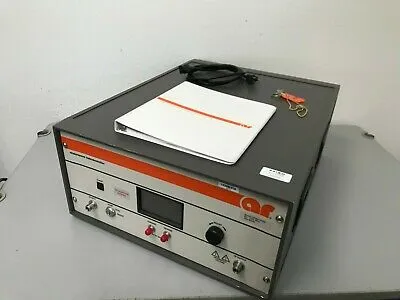
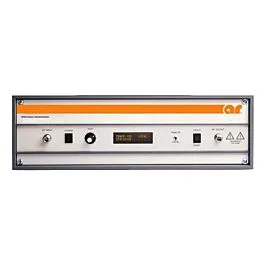
Amplifier Research is a prominent manufacturer of broadband solid-state and traveling wave tube (TWT) amplifiers designed specifically for EMC testing and electronic warfare. Mini-Circuits offers a wide catalog of compact RF amplifiers for laboratory and system integration use. Other notable suppliers include Ophir RF, Rohde & Schwarz, and Keysight Technologies, each covering different frequency ranges and output power levels.