Power Quality Analyzers
Power Quality Analyzers
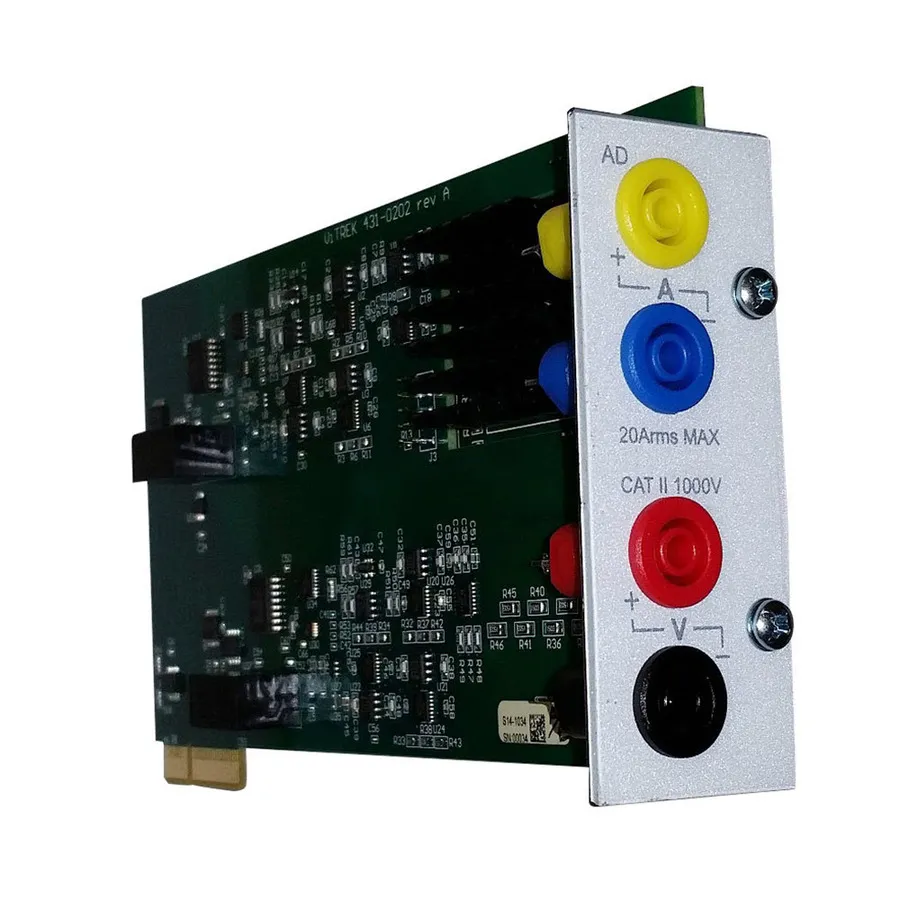
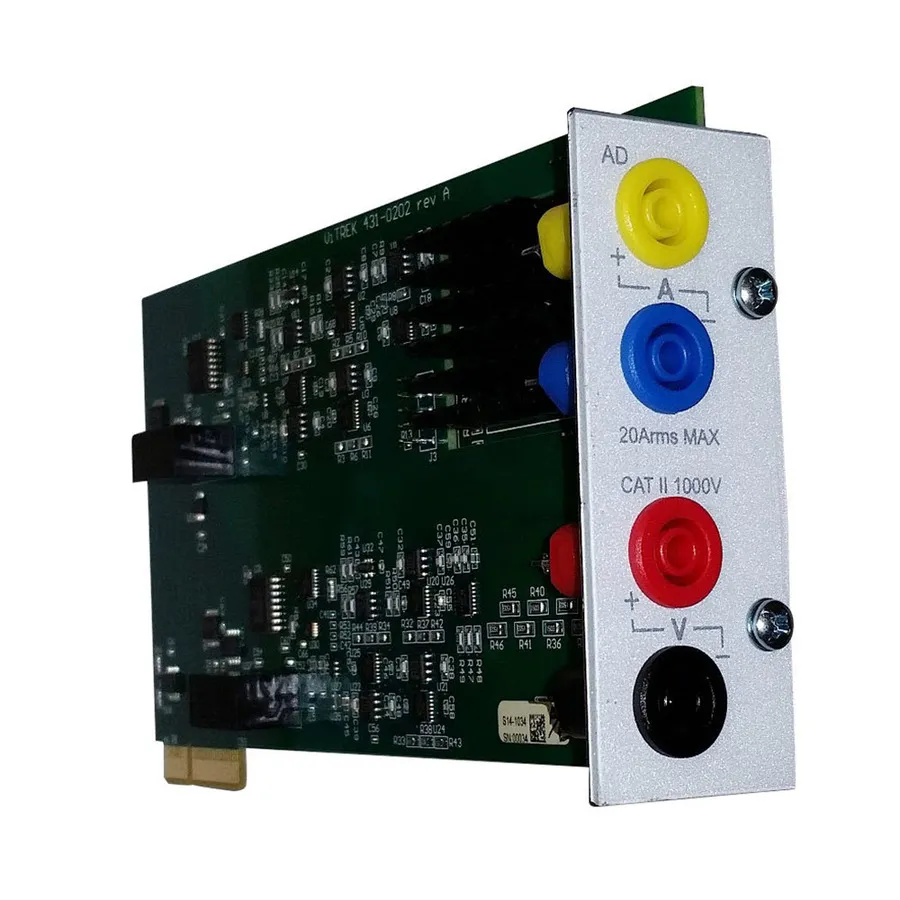
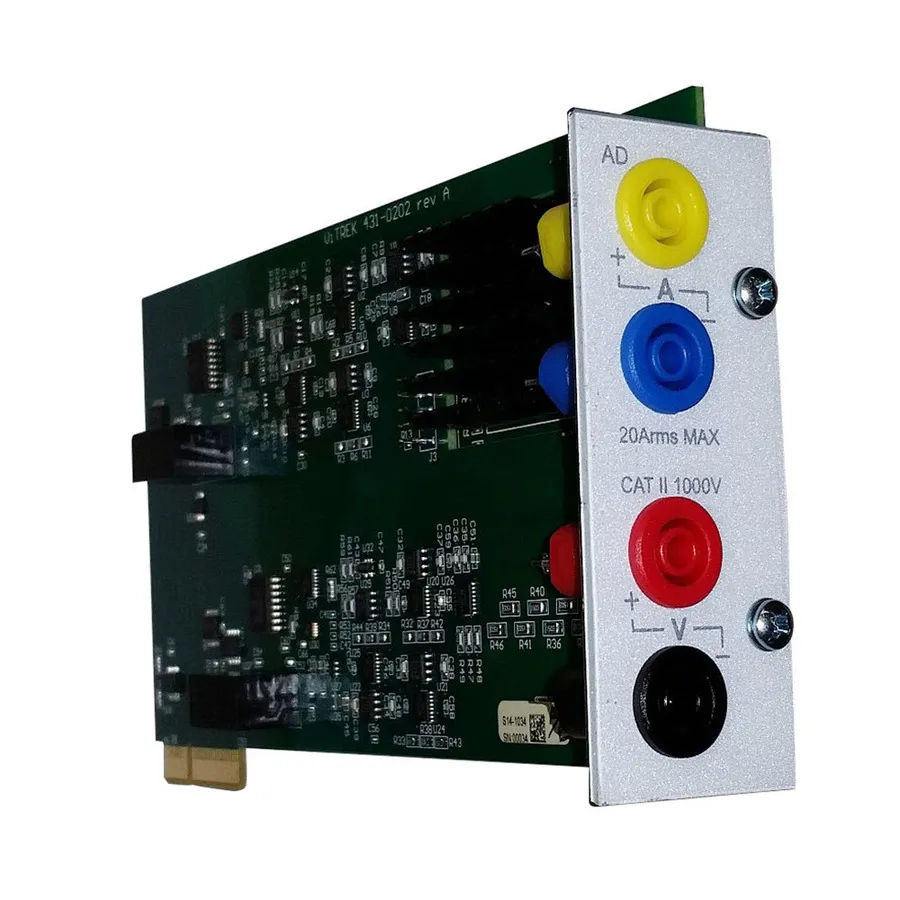
Power quality analyzers are instruments used to measure, record, and analyze disturbances and deviations in electrical power systems. They capture parameters such as voltage and current harmonics, total harmonic distortion (THD), power factor, voltage sags and swells, transients, flicker, and phase unbalance in single-phase and three-phase AC systems. The resulting data helps engineers identify the root causes of equipment failures, energy waste, and non-compliance with standards such as IEC 61000, EN 50160, and IEEE 519.
Utilities, industrial plants, data centers, and building managers deploy power quality analyzers during commissioning, troubleshooting, and ongoing monitoring campaigns to protect sensitive equipment and meet grid compliance requirements. Portable handheld analyzers are used for field surveys and incident investigation, while fixed-installation models provide continuous monitoring at distribution panels and substations.
Typical Applications
- Grid compliance verification against IEC 61000 and EN 50160 power quality standards
- Harmonic analysis and THD measurement in variable-speed drives and industrial loads
- Energy consumption auditing and power factor correction assessment in commercial and industrial facilities
- Troubleshooting voltage sags and transients causing unexplained equipment failures or nuisance tripping
- Flicker measurement and reactive power assessment in arc furnace and welding applications
- Substation and distribution network monitoring in utility and power generation environments
Popular Brands
Fluke is a dominant manufacturer in portable power quality analysis, with its 17xx series widely used for three-phase energy logging and power quality surveys. Keysight and Hioki offer laboratory-grade instruments for precision power measurements, while Chauvin Arnoux, Metrel, and AEMC provide analyzers for field and panel-mount applications.