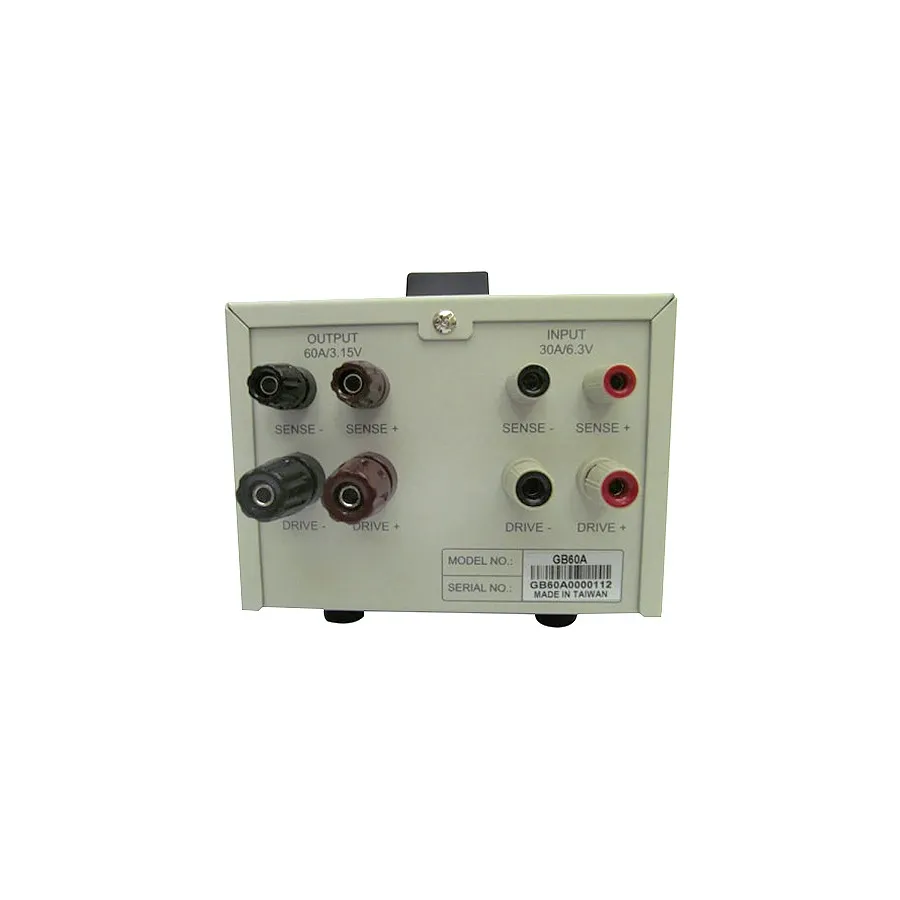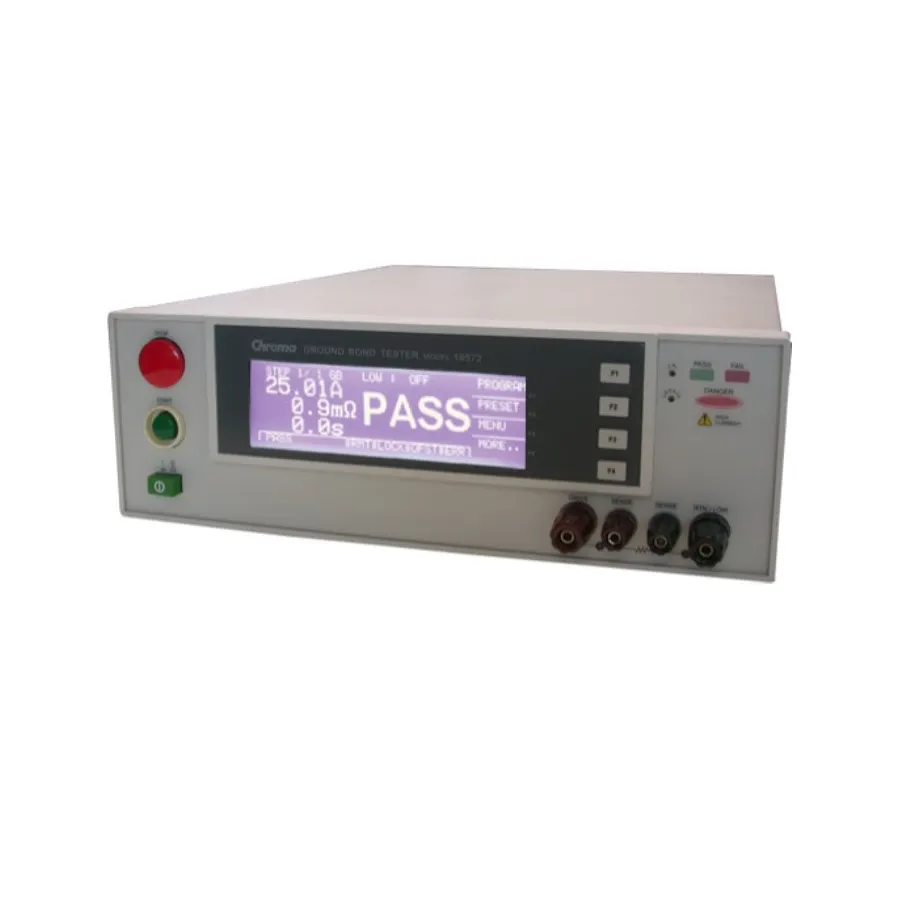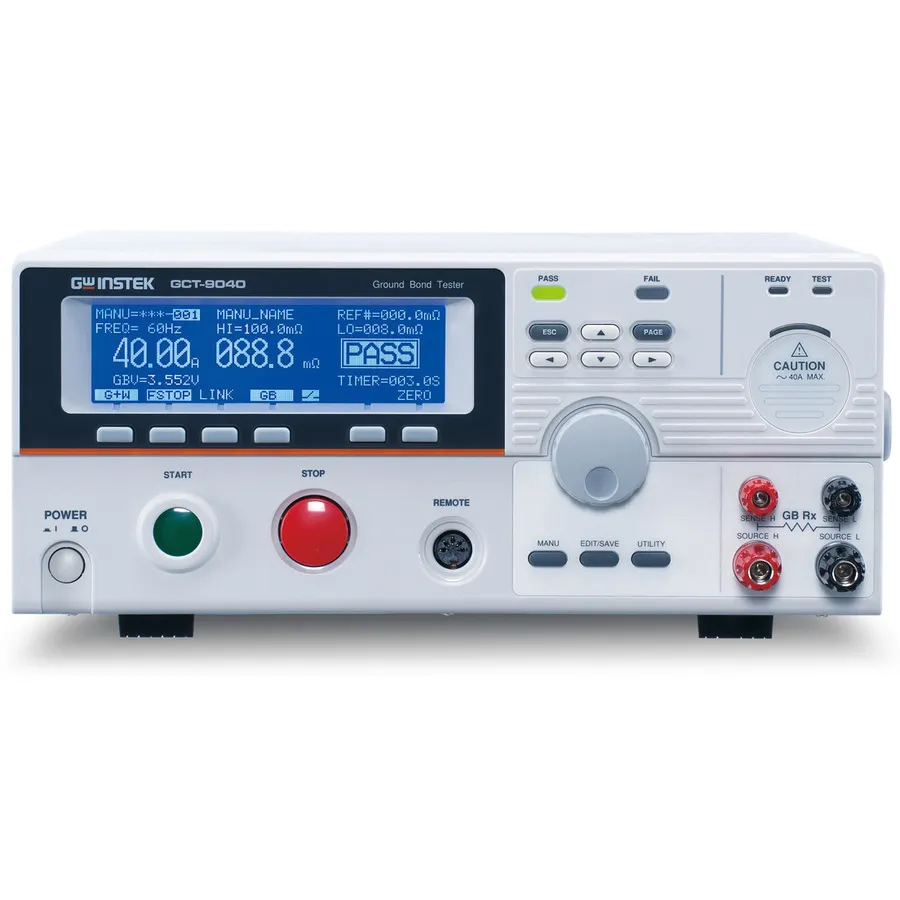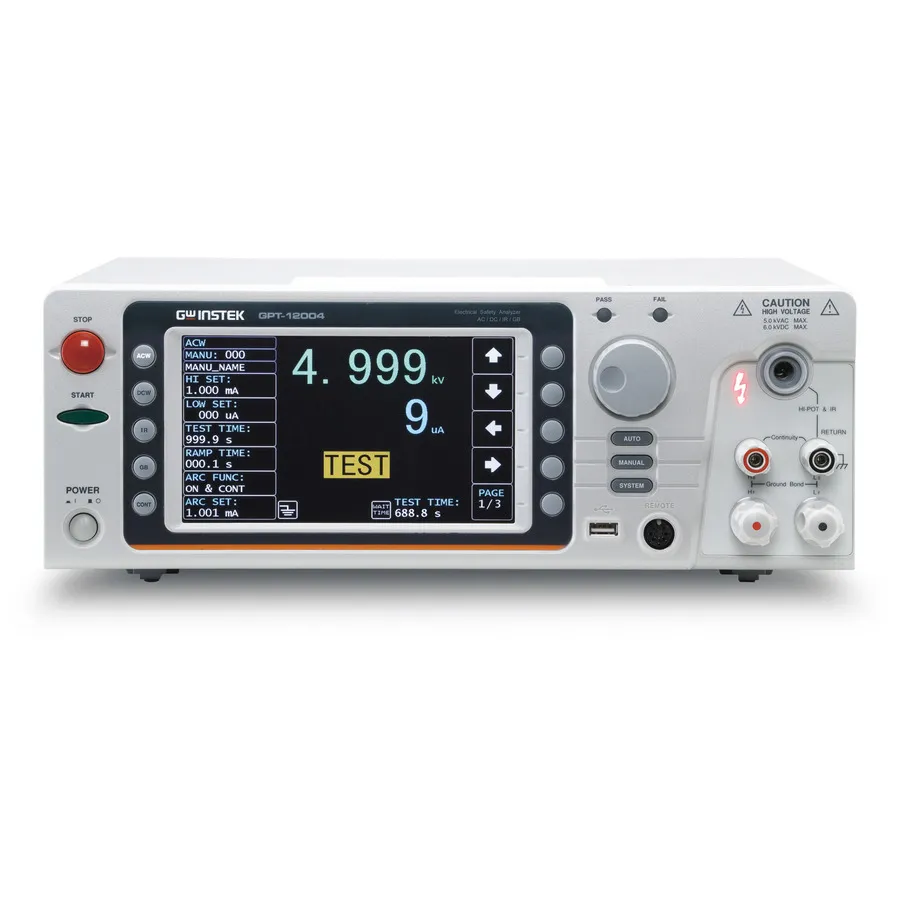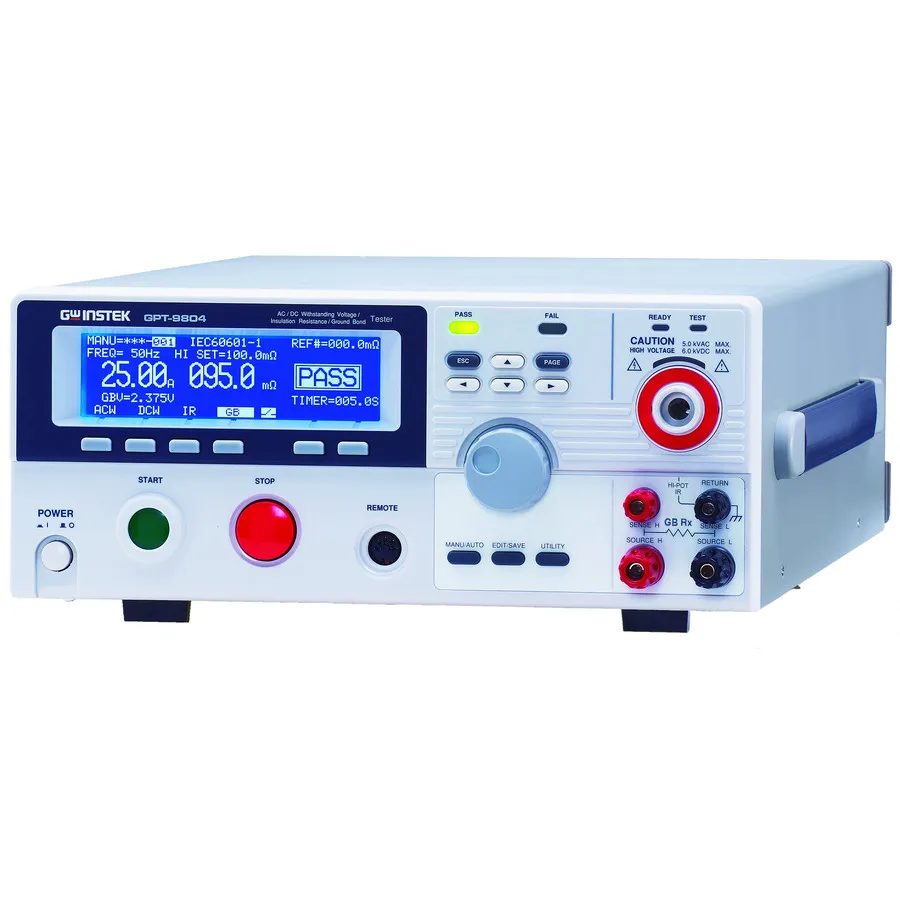
Ground Bond Testers
Ground Bond Testers
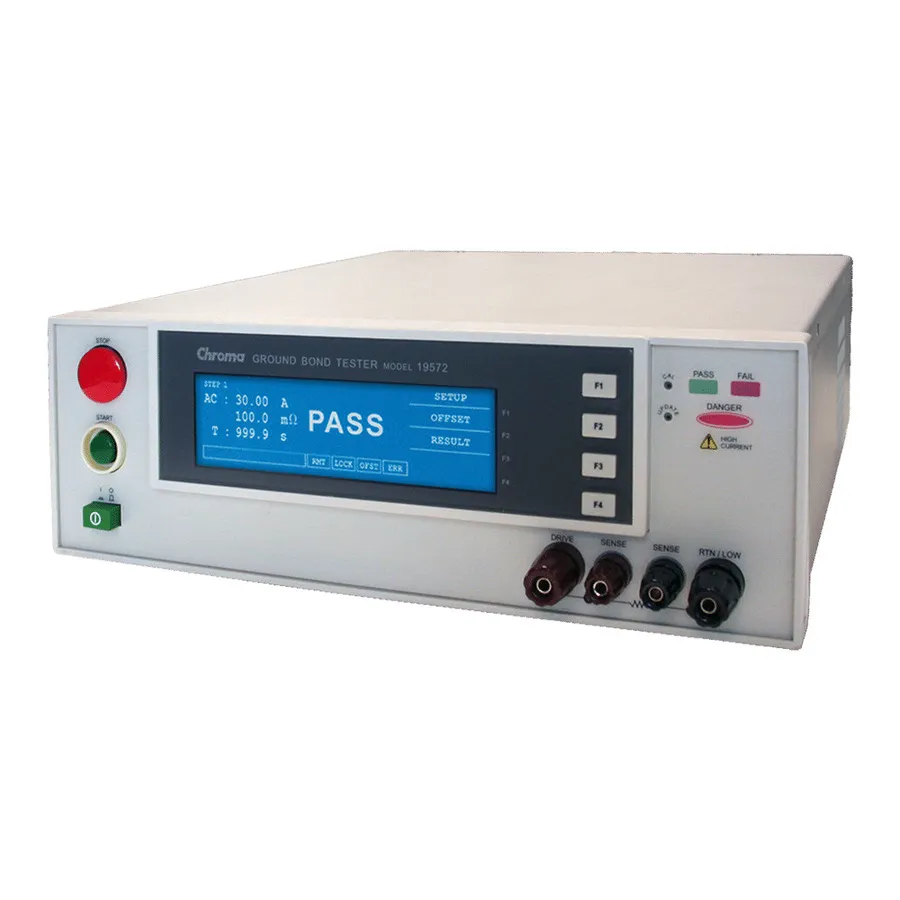
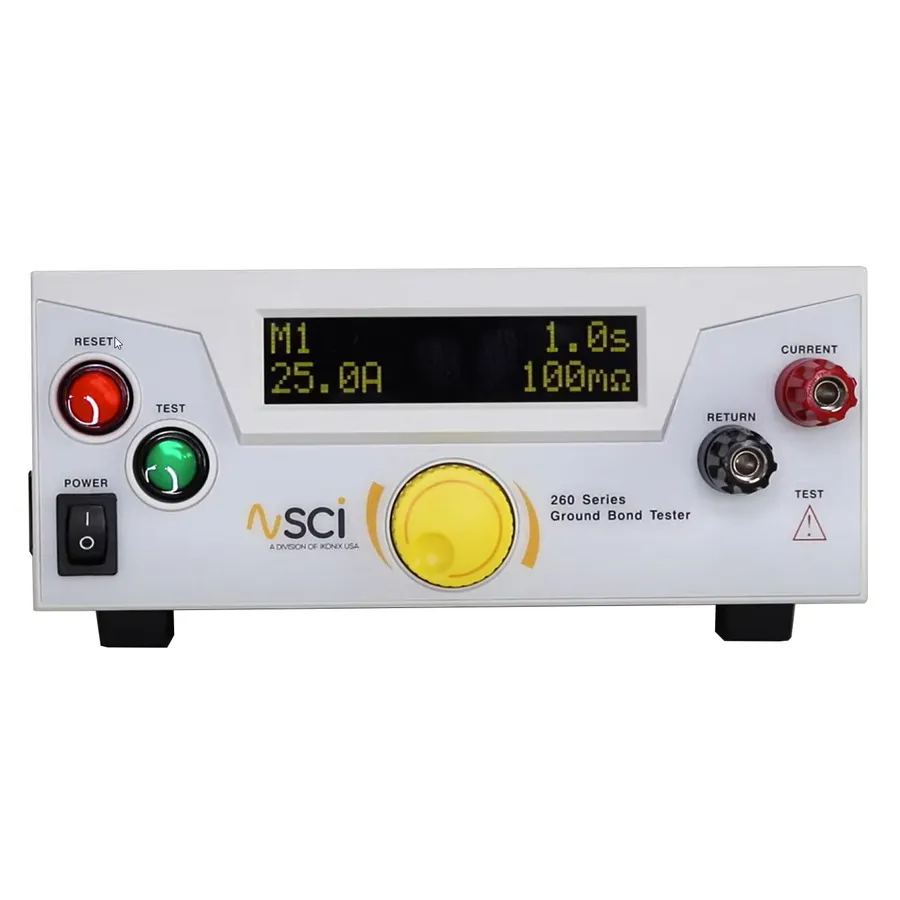
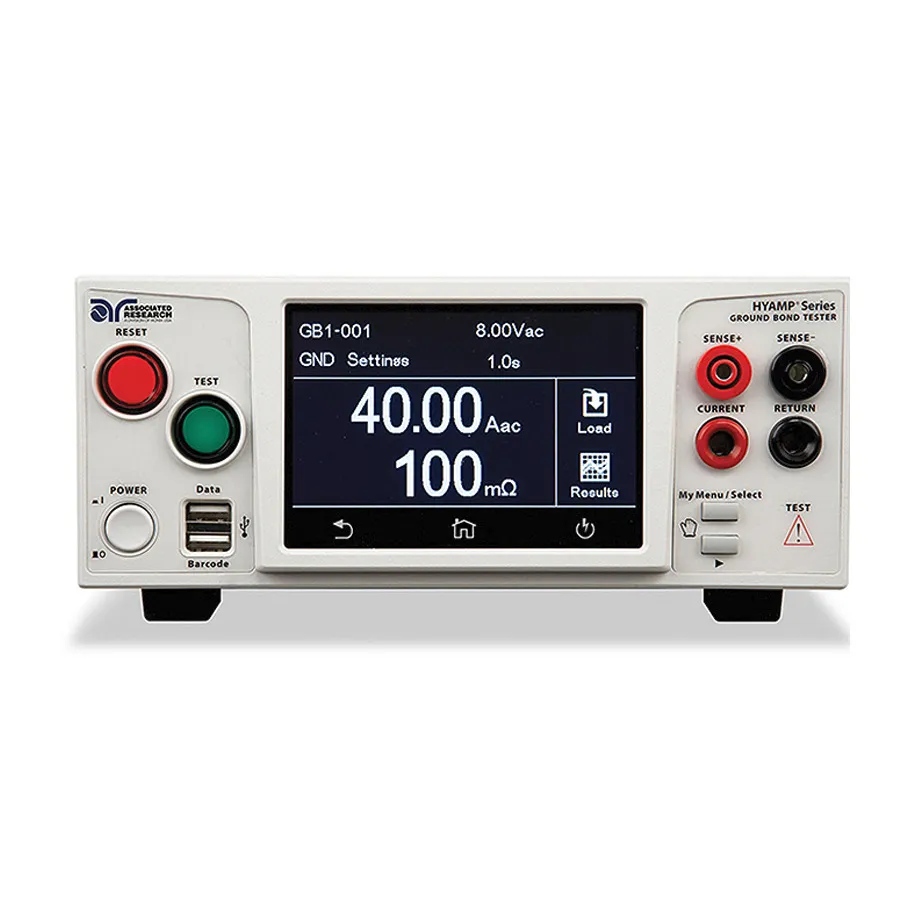
Ground bond testers — also called protective bonding resistance testers — verify that the protective earth (PE) conductor in electrical equipment provides a low-resistance path from exposed metal parts to safety ground. By passing a high current (typically 10 A to 30 A AC) through the ground path and measuring the resulting voltage drop, these instruments calculate ground bond resistance. Most safety standards require resistance values below 100 mΩ to 300 mΩ depending on the application and equipment class.
Ground bond testing is a mandatory safety verification for compliance with IEC 60950-1, IEC 62368-1, IEC 60601-1, UL 60950, and CSA standards. It is routinely performed as part of end-of-line product safety testing in electronics manufacturing and during periodic maintenance of industrial equipment.
Typical Applications
- End-of-line safety compliance testing of IT equipment and consumer electronics
- Medical device protective earth verification per IEC 60601-1
- Industrial machinery grounding continuity and bond resistance verification
- Incoming inspection and periodic re-testing of electrical equipment in service
- Combined safety test sequences alongside hipot and leakage current testing
Popular Brands
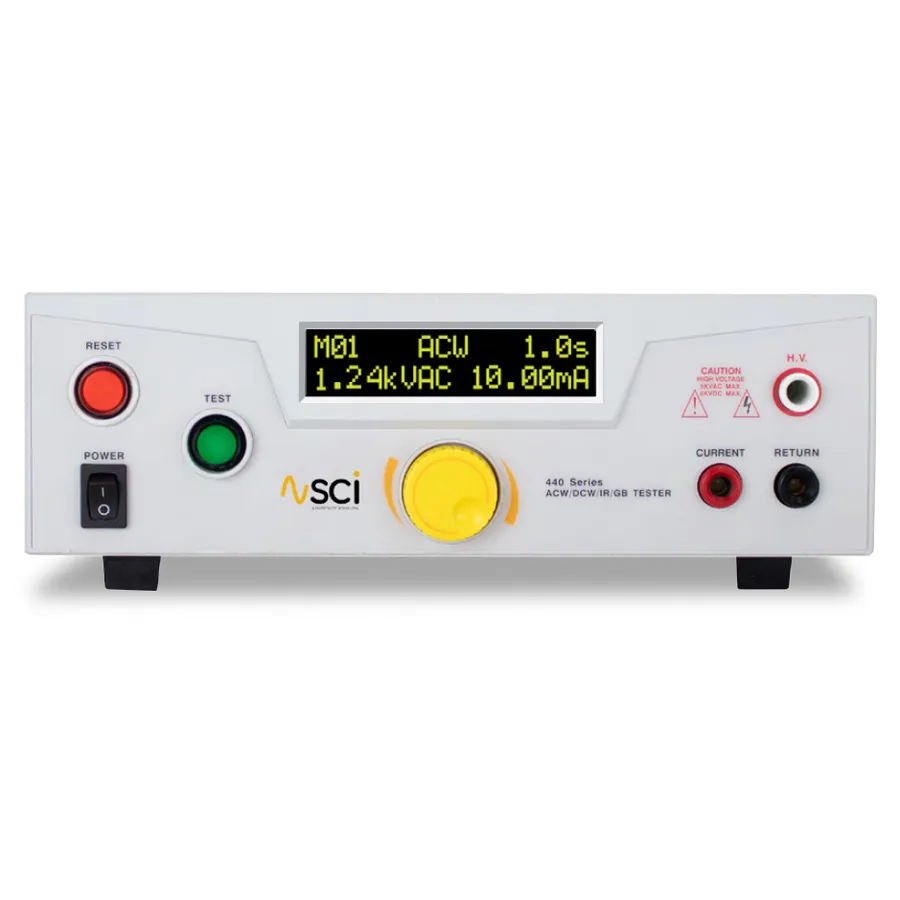
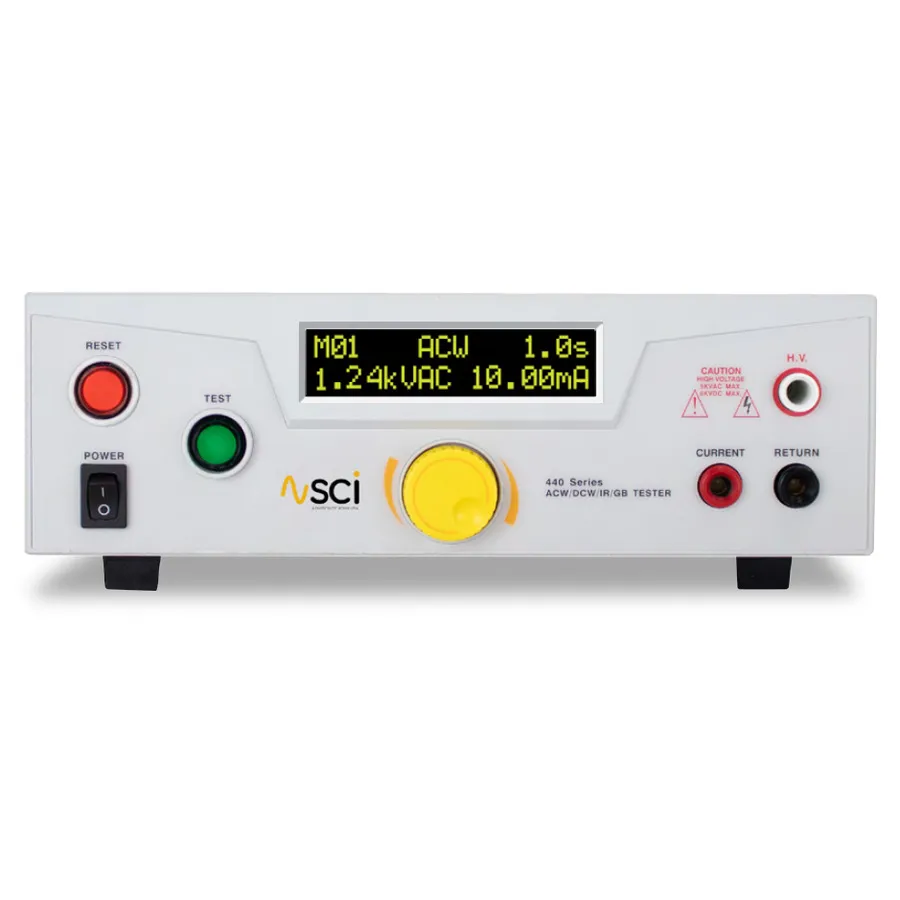
Chroma, Associated Research, and SCI (Slaughter Company Incorporated) are the leading manufacturers of dedicated ground bond testers. These brands offer both standalone ground bond instruments and integrated electrical safety analyzers that combine hipot, ground bond, and leakage current measurement in a single platform.