Voltage Detectors
Voltage Detectors
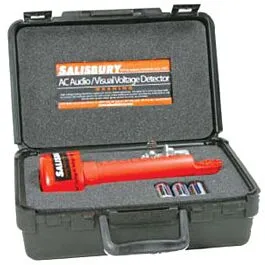
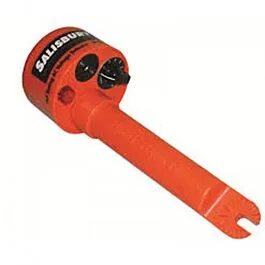
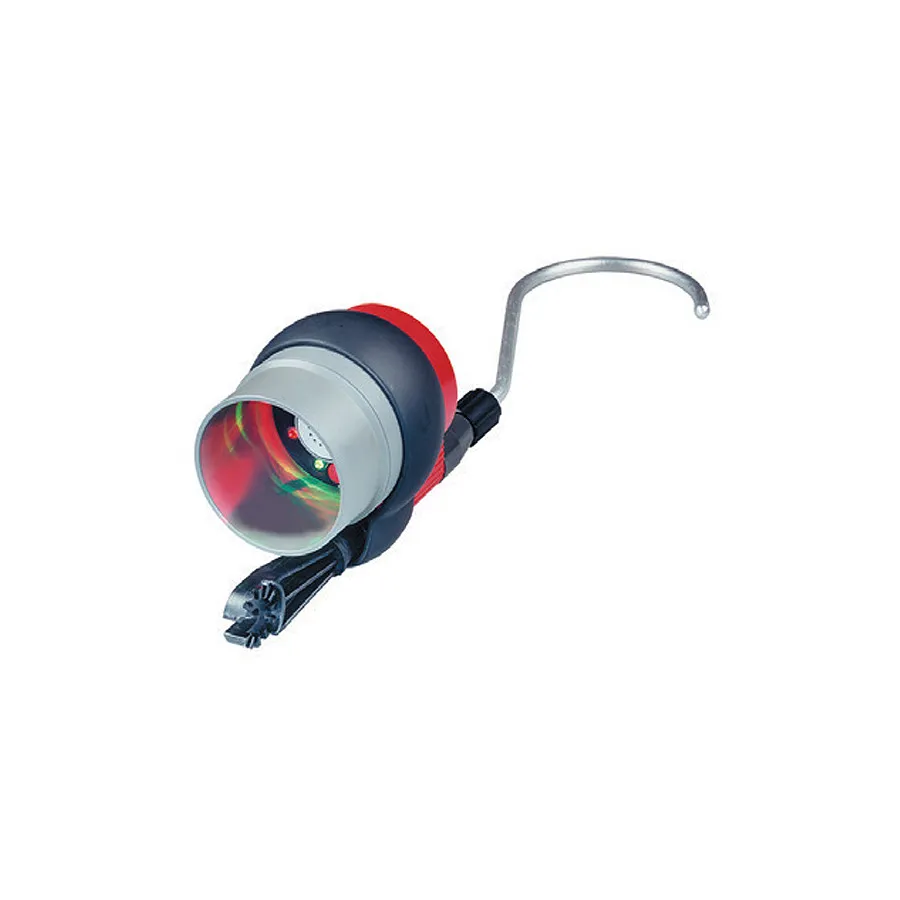
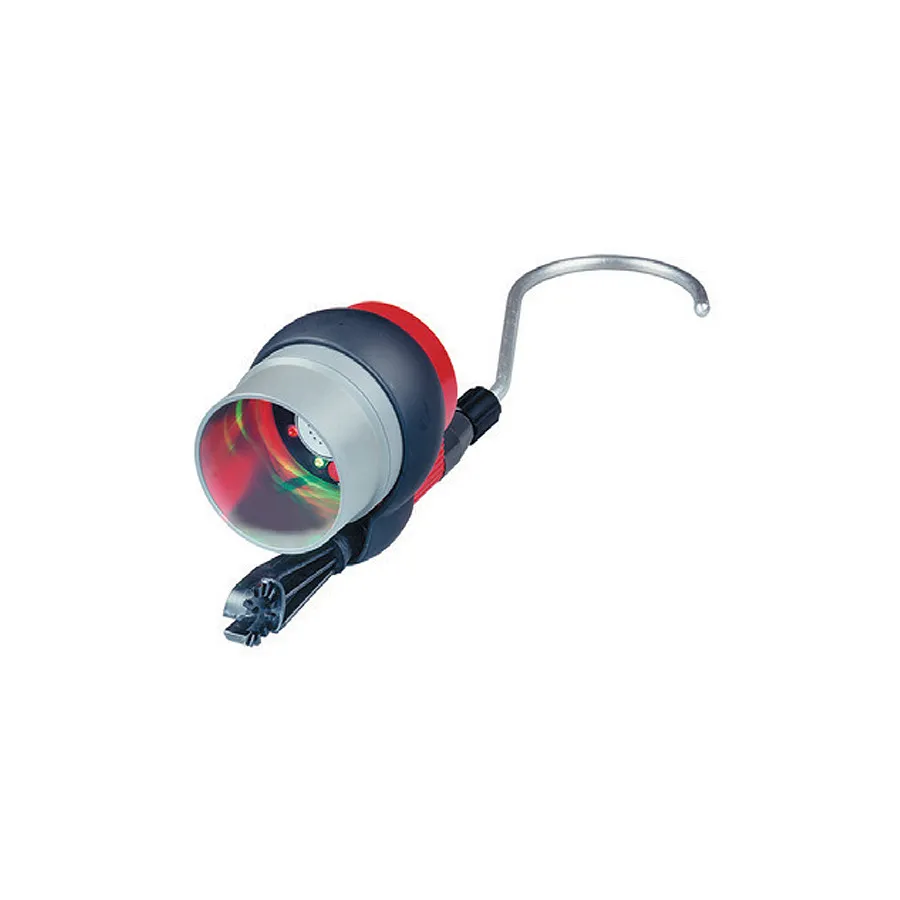
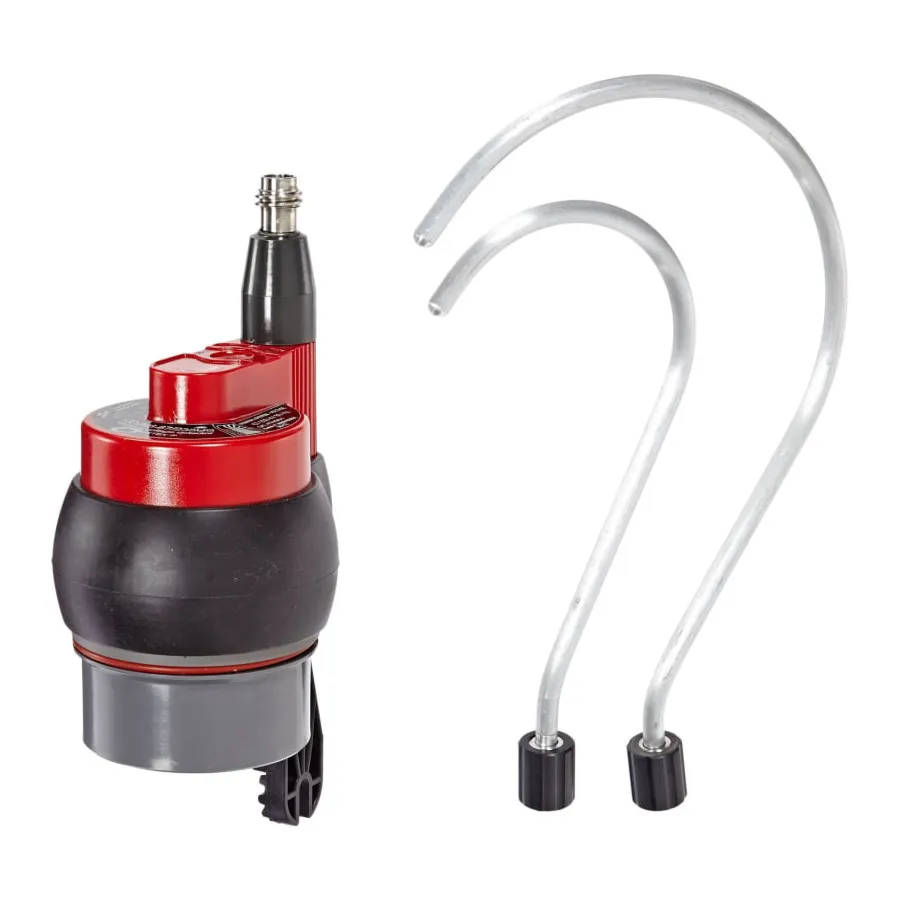
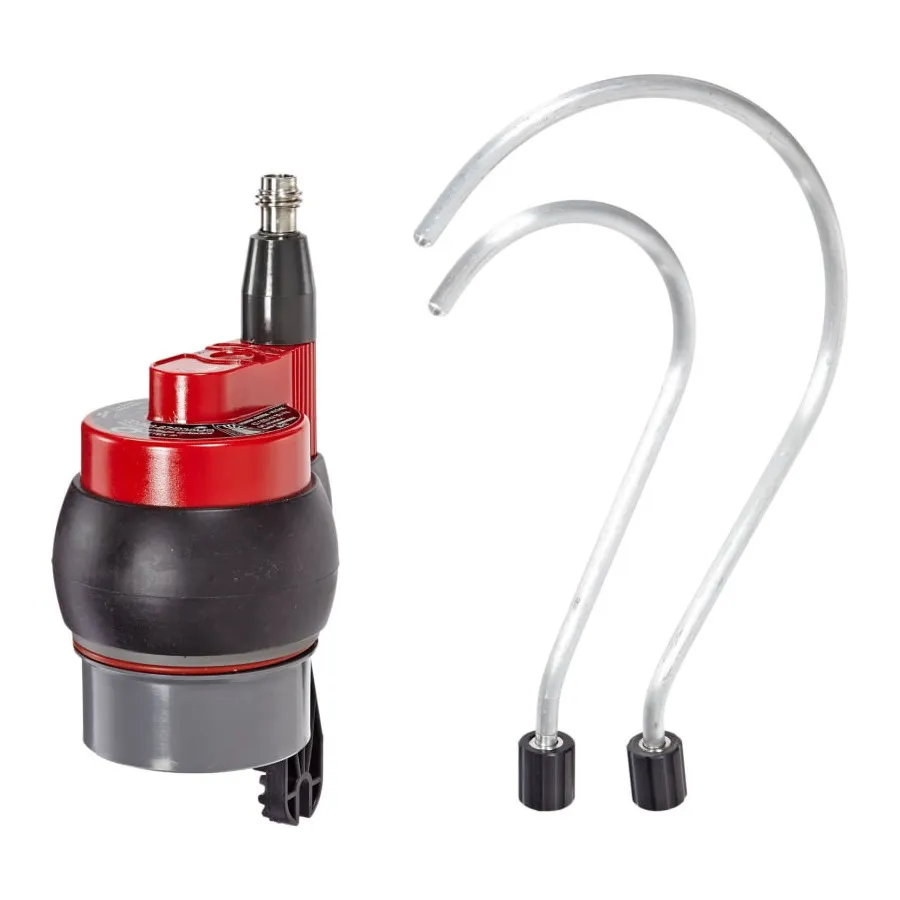
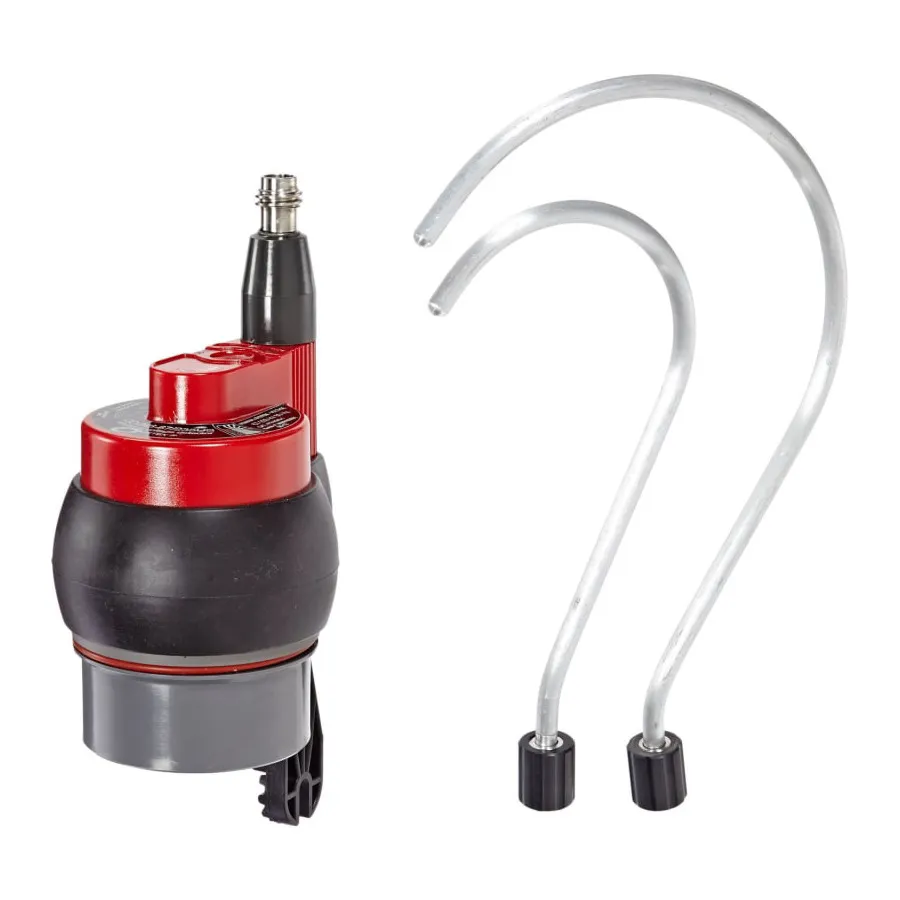
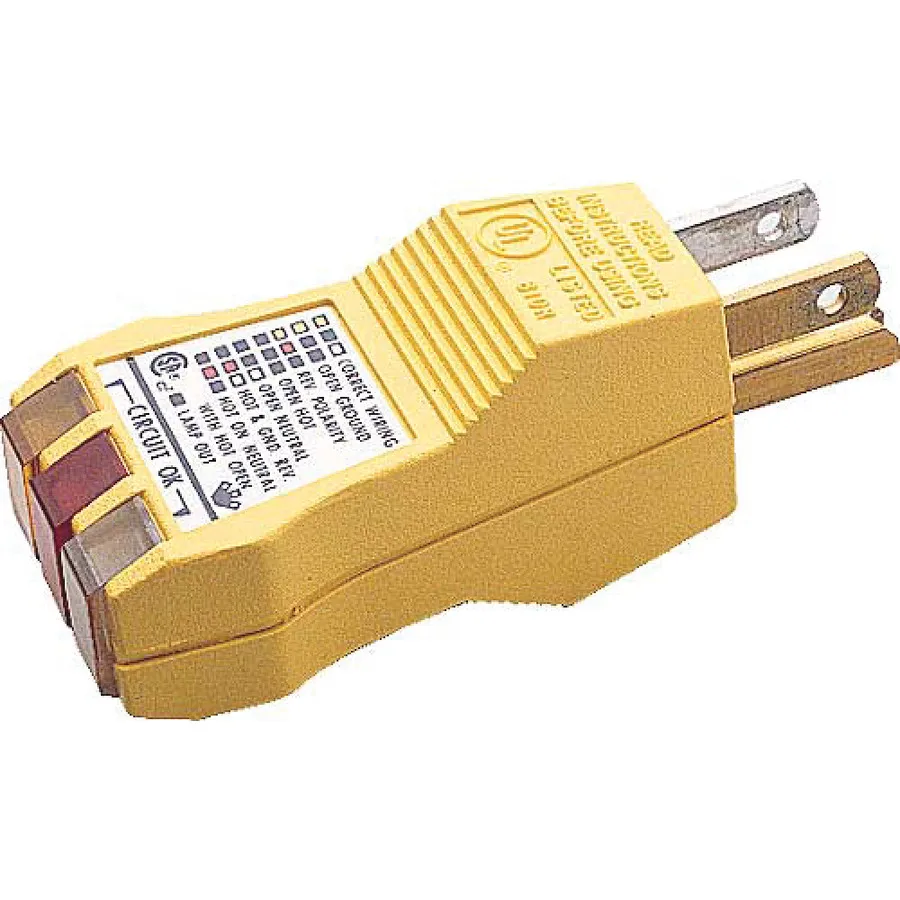
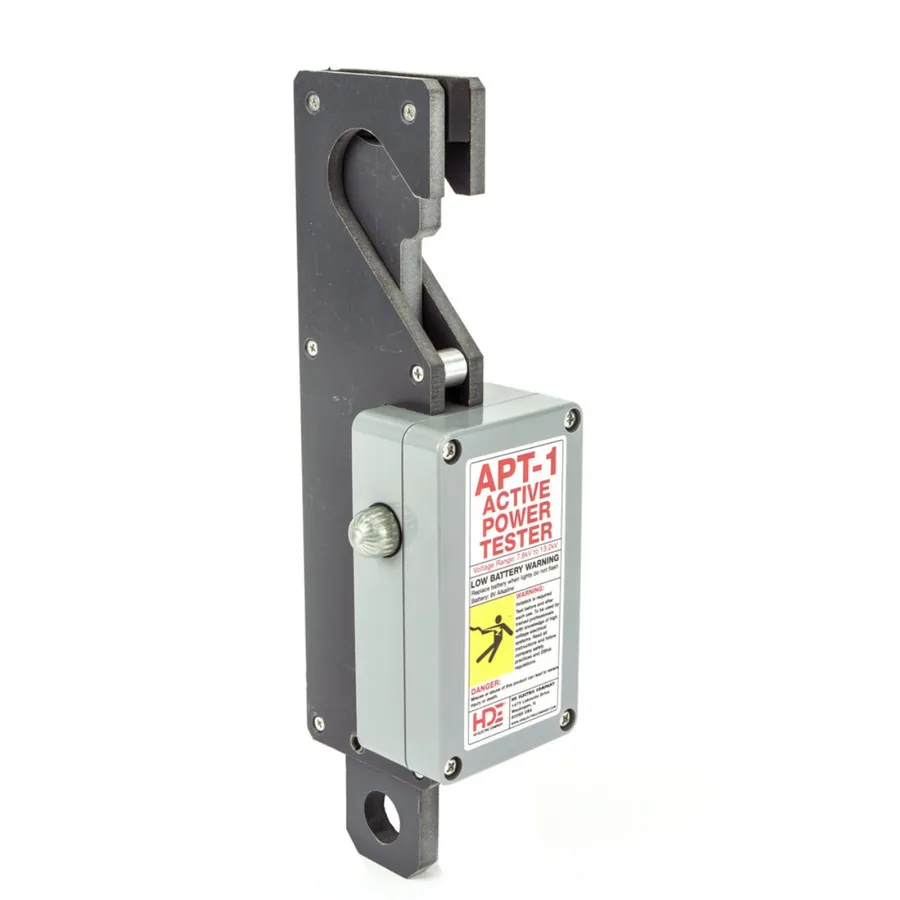
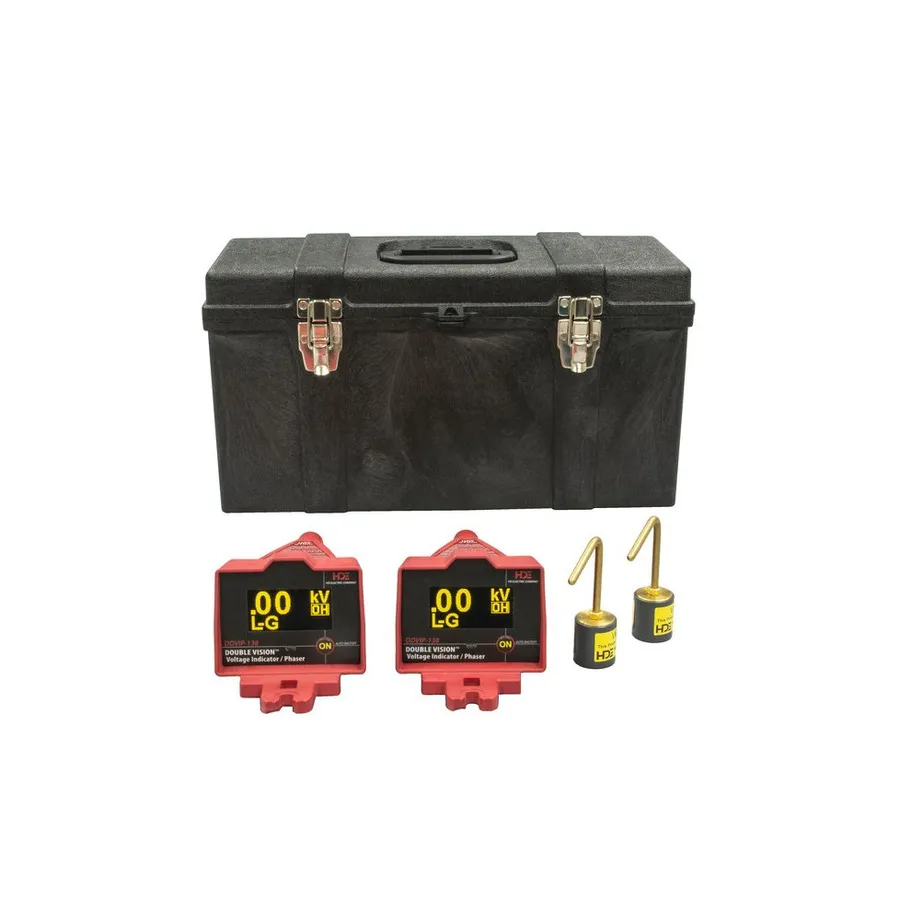
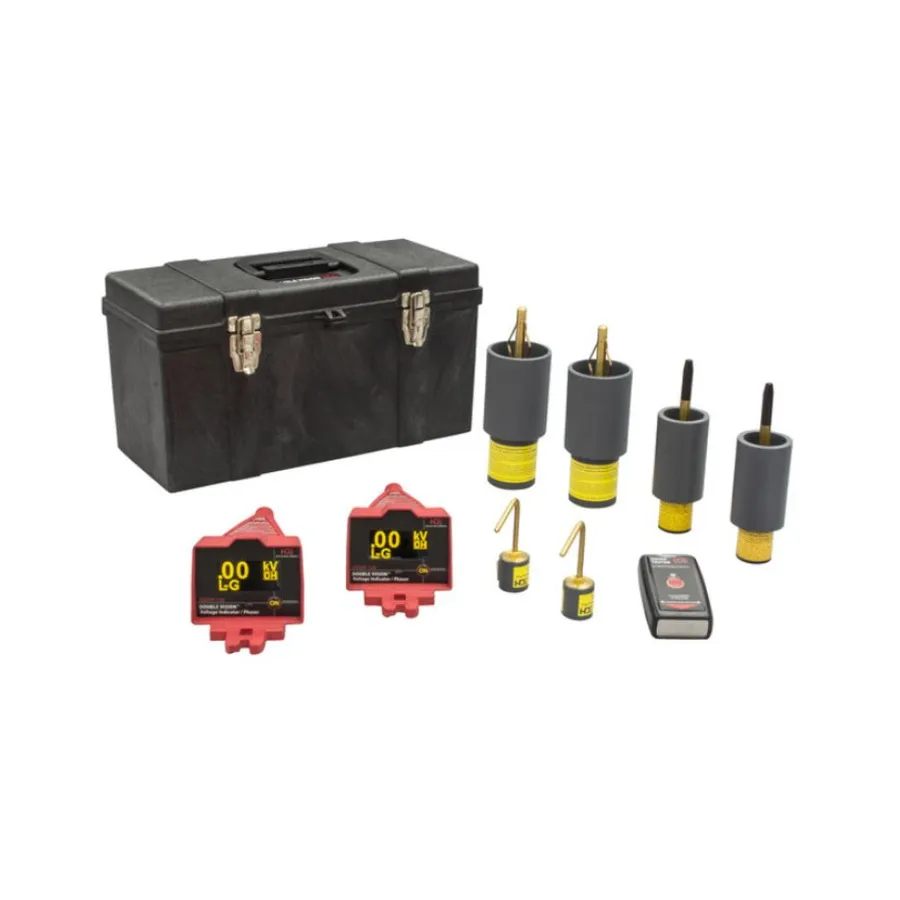
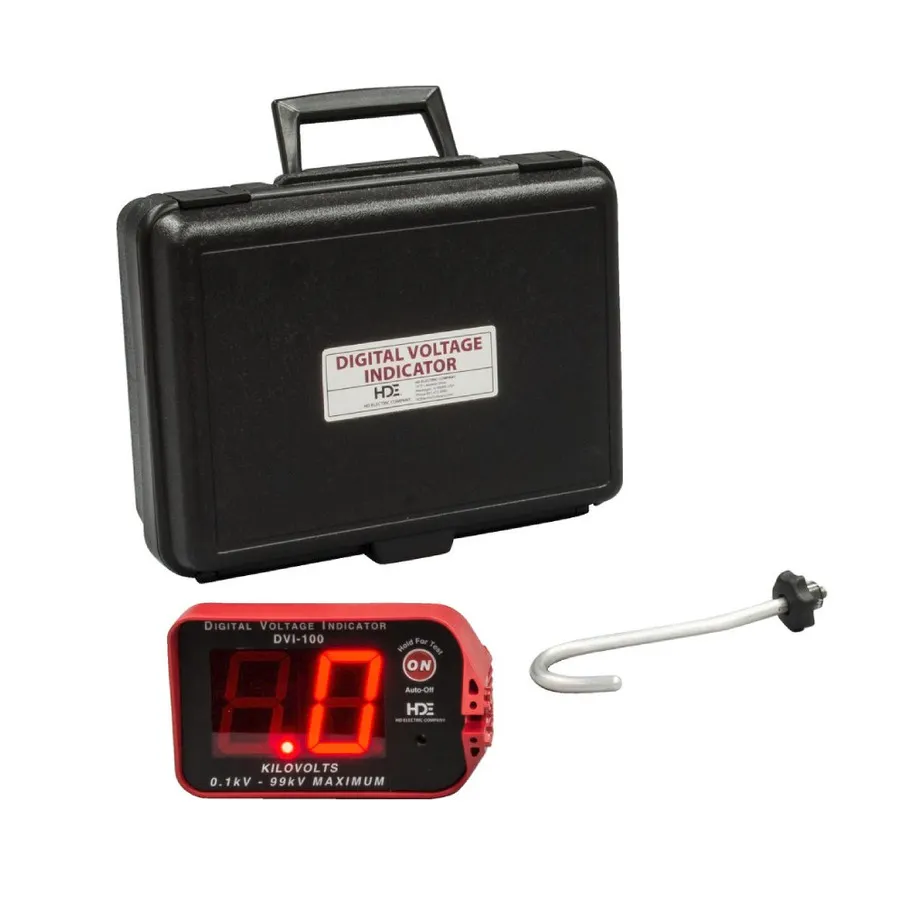
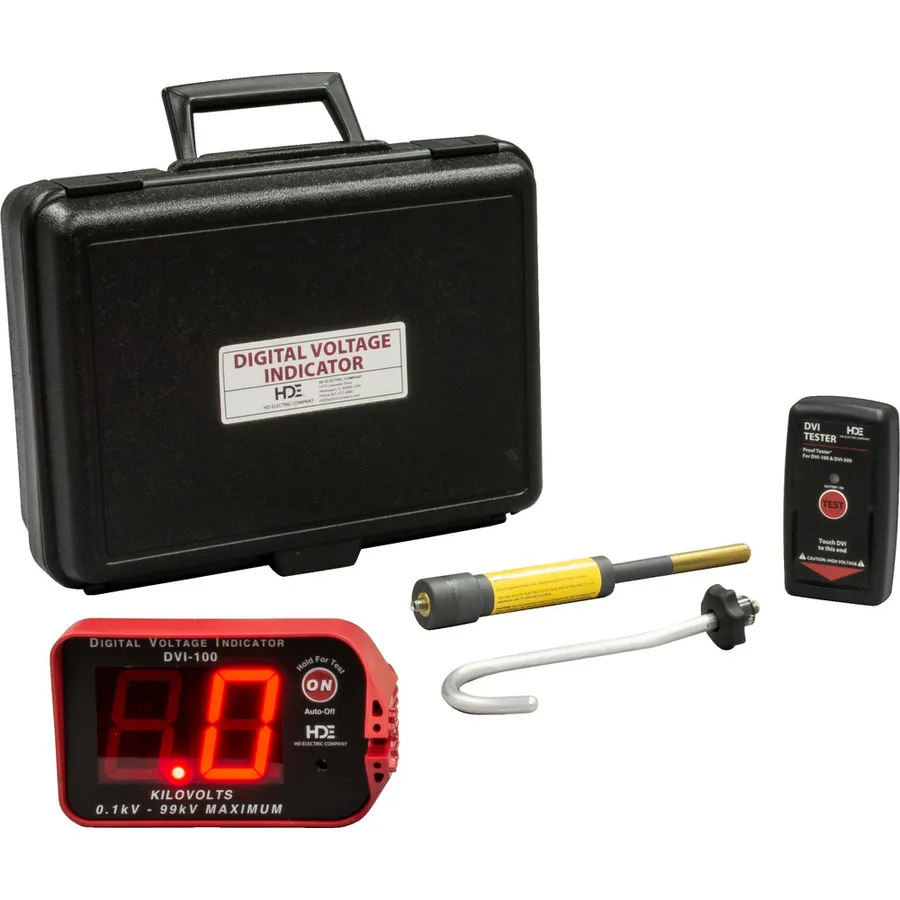
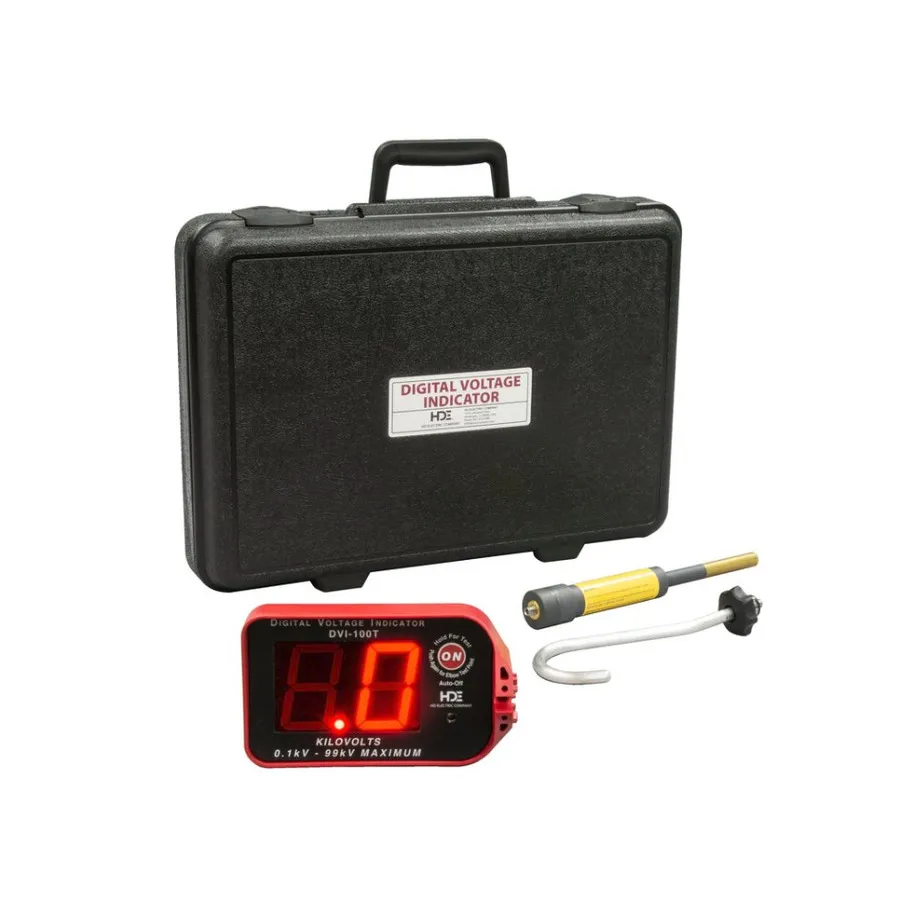
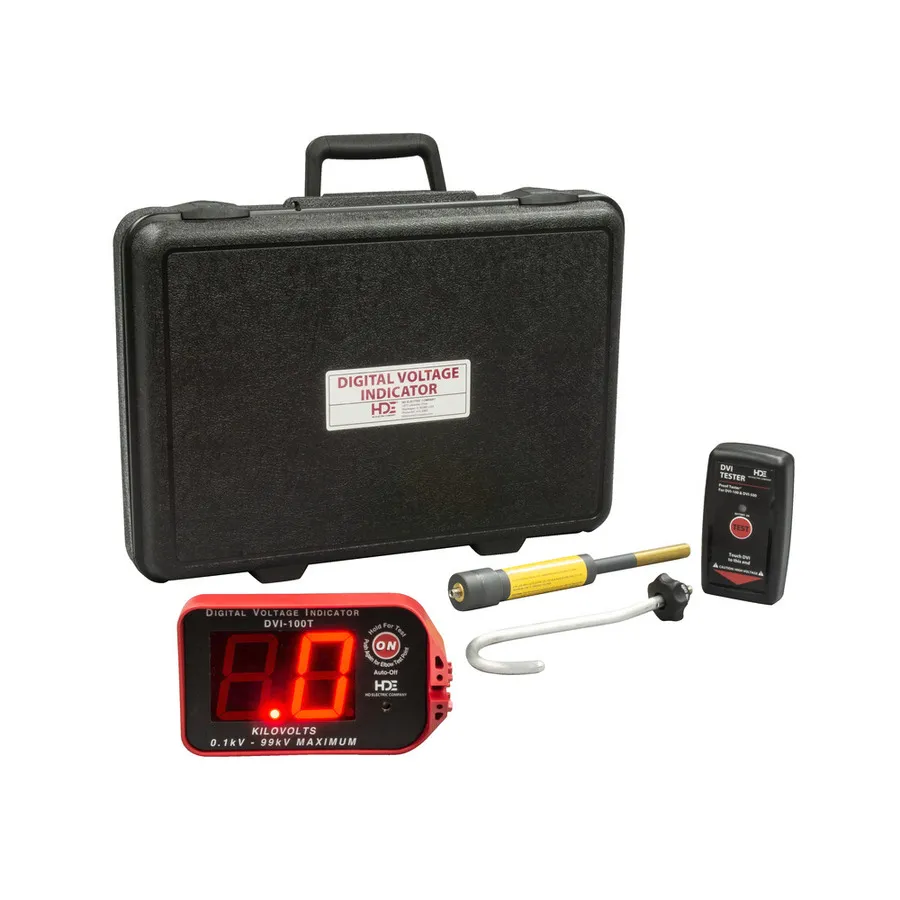
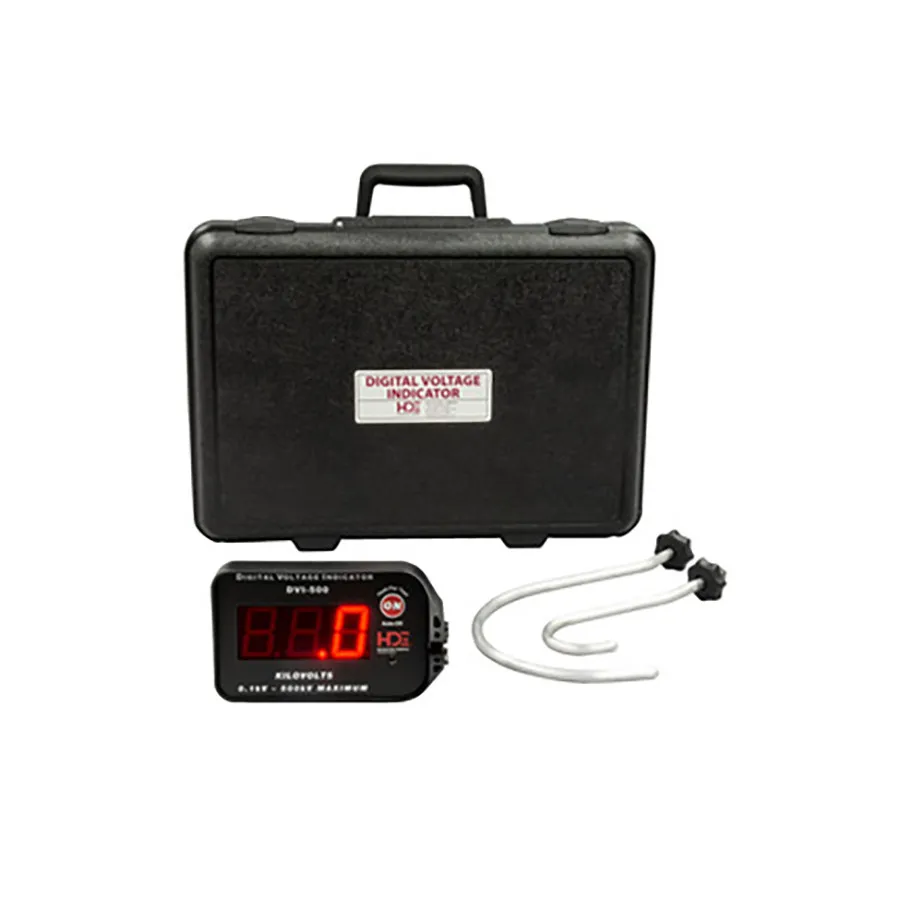
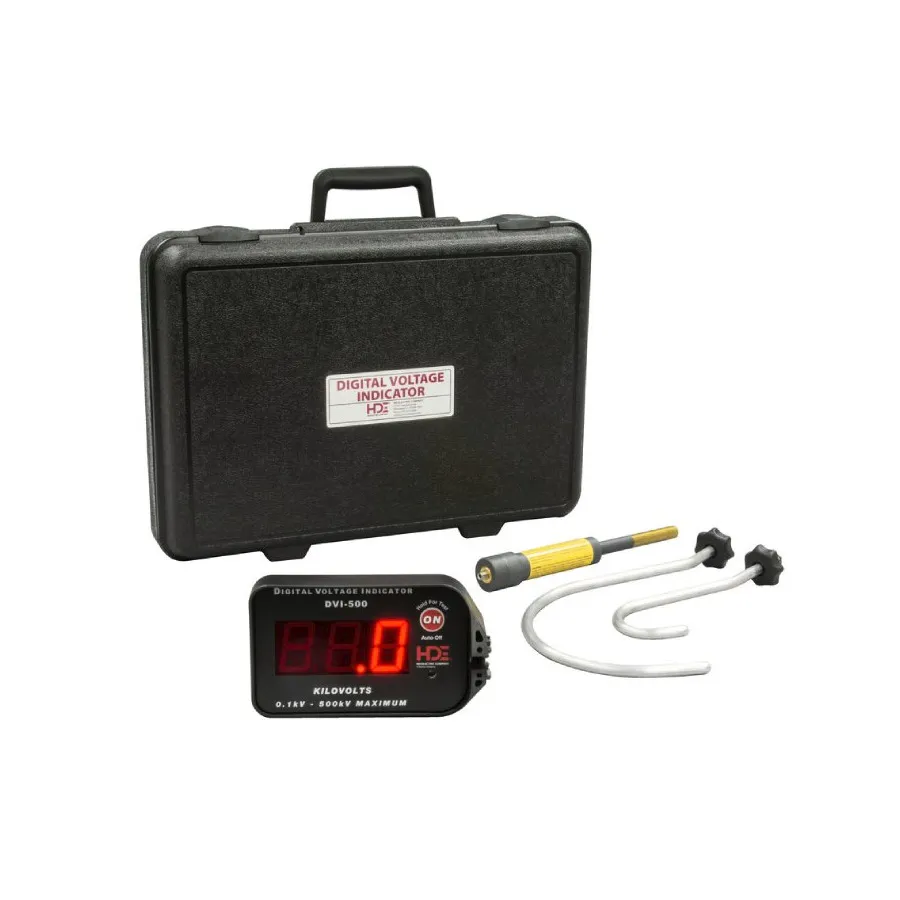
Voltage detectors are safety instruments used to determine the presence or absence of electrical voltage in conductors, cables, and equipment before maintenance or service work begins. These devices are critical personal protective equipment (PPE) tools for electrical workers who must verify that circuits are de-energized prior to contact. Available in non-contact, contact, and self-testing configurations, voltage detectors are designed for use across a wide range of voltages — from low-voltage building wiring to high-voltage transmission and distribution systems operating at tens of kilovolts.
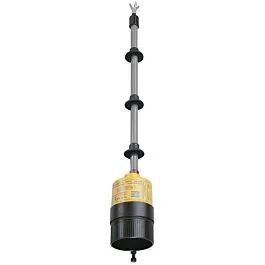
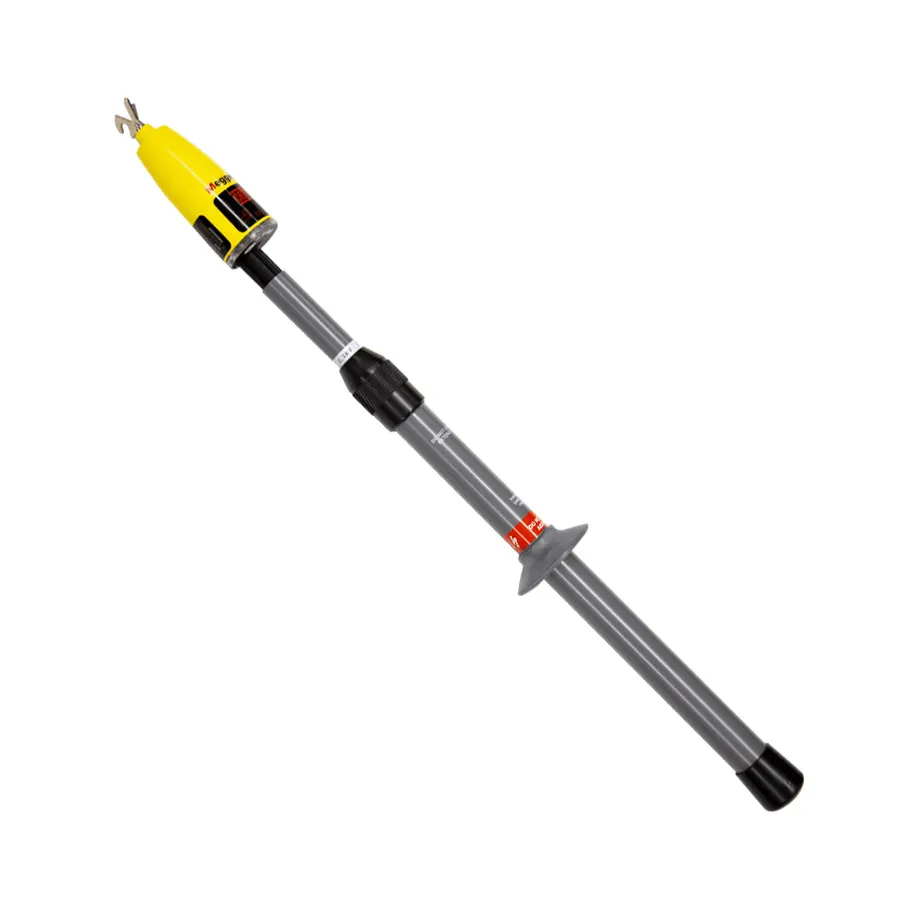
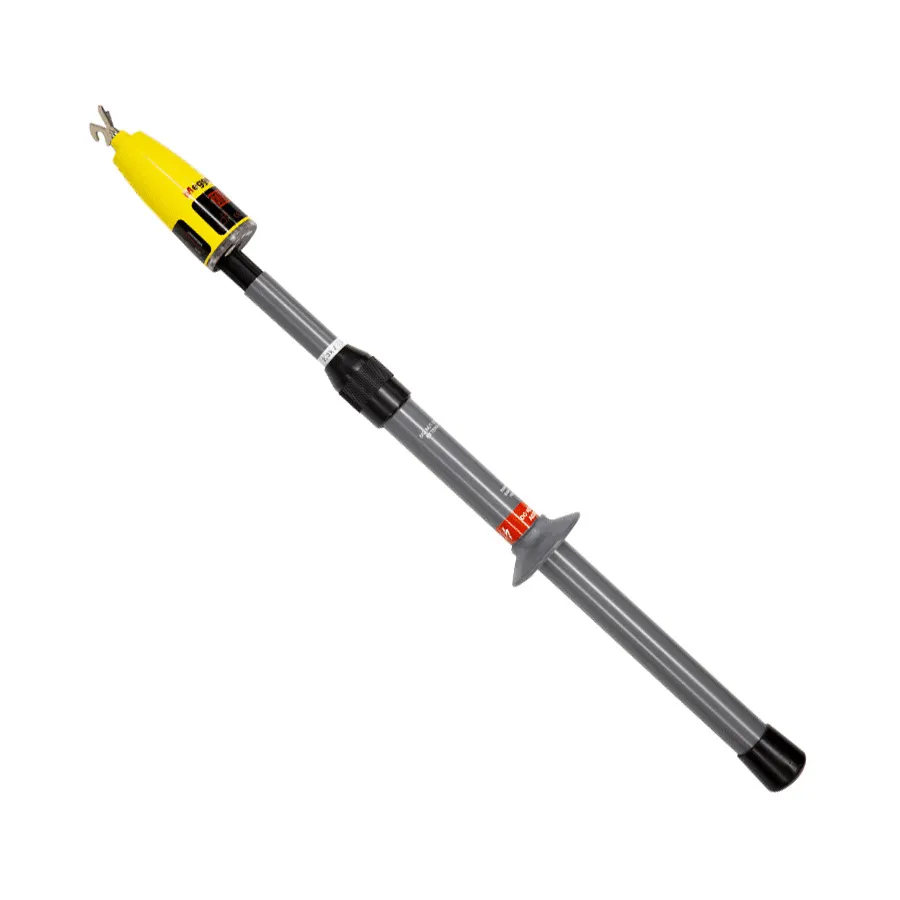
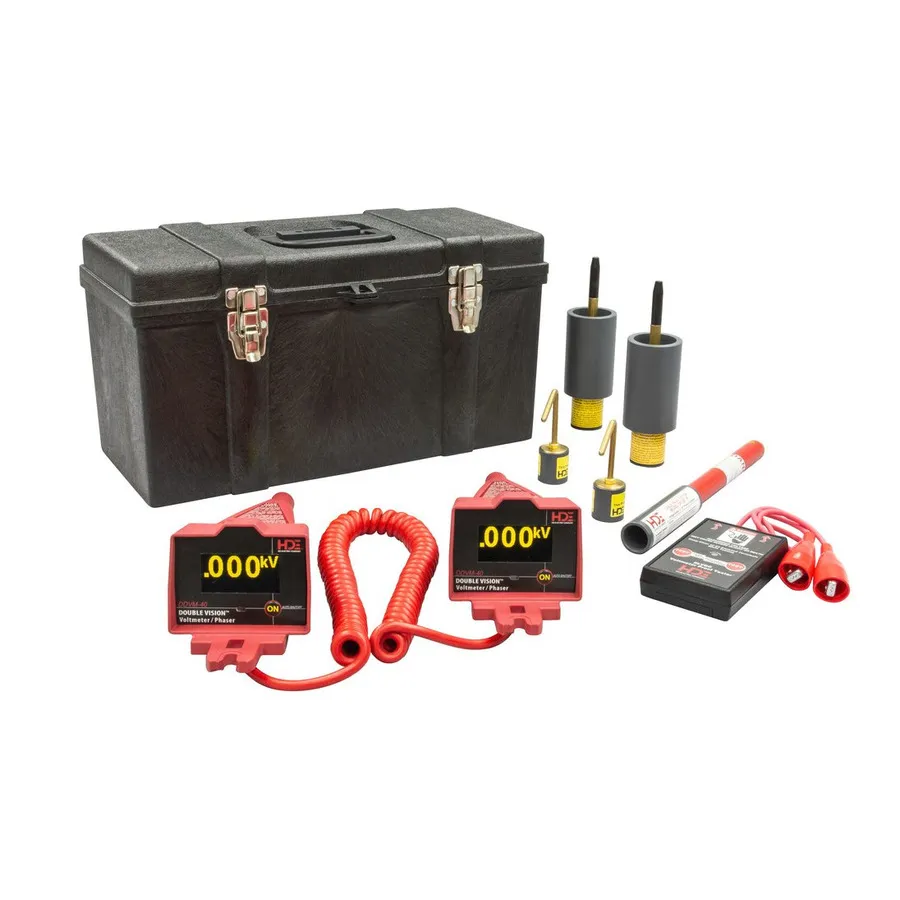
High-voltage detectors, such as those from Salisbury and Megger, are engineered specifically for utility and substation work. Phase comparators allow linemen to verify phase alignment between two energized conductors without requiring circuit de-energization, which is essential for safe network switching and reconfiguration operations on overhead and underground distribution systems.
Typical Applications
- Verifying de-energization of high-voltage lines and equipment before maintenance work in electrical utilities and substations
- Phase comparison between distribution conductors during network switching and interconnection operations by utility linemen
- Non-contact voltage presence detection in switchgear, power distribution panels, and cable testing
- Self-testing voltage detectors for compliance with safety standards requiring tool function verification before each use
- Pole-top and aerial work on medium- and high-voltage overhead distribution systems up to 30 kV and beyond
Popular Brands
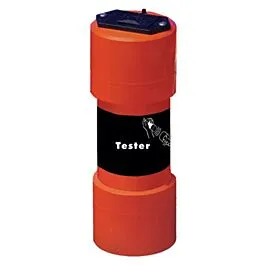
Salisbury by Honeywell is a leading manufacturer of high-voltage safety equipment, including voltage detectors and detector testers rated for distribution and transmission voltage levels. Megger produces a range of voltage detectors and pole phase comparators designed for utility linemen and substation technicians working safely on energized electrical infrastructure.