Fiber Fault Locators
Fiber Fault Locators
Fiber fault locators are portable test instruments used to identify and pinpoint the location of breaks, sharp bends, high-loss splices, and other faults within fiber optic cables. Unlike OTDRs, which provide detailed reflectometric traces, fiber fault locators are simpler and faster tools designed for rapid in-field diagnosis. They are ideal for maintenance technicians and installers who need to quickly identify the source of a cable fault without complex measurement setup or extensive training.
These tools typically use visual fault location (VFL) technology with a visible red laser, or compact optical time-domain reflectometry principles, to detect problems along the fiber path. They are widely used in telecommunications networks, structured cabling installations, data centers, and utility networks where rapid fault isolation minimizes network downtime and reduces mean time to repair.
Typical Applications
- Locating physical breaks and sharp bends in multimode and singlemode fiber cables
- Identifying high-loss splice points and damaged connectors in installed fiber plants
- Rapid fault triage during network outages to prioritize repair efforts
- Post-installation continuity verification in enterprise and telecom networks
- Training and first-response diagnostics for field service teams
Popular Brands
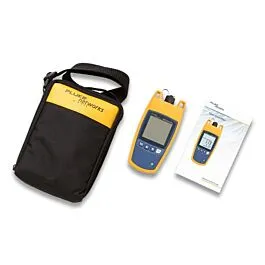
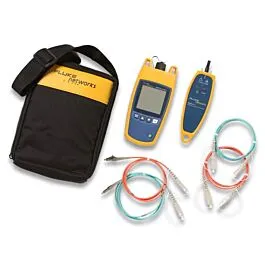
Fluke Networks offers the FiberQuickMap and FQM series, compact and rugged fault finders well-suited for field technicians. VIAVI Solutions and AFL also provide fault location tools as part of their broader fiber test portfolios, covering applications from premises cabling through long-haul telecommunications infrastructure.