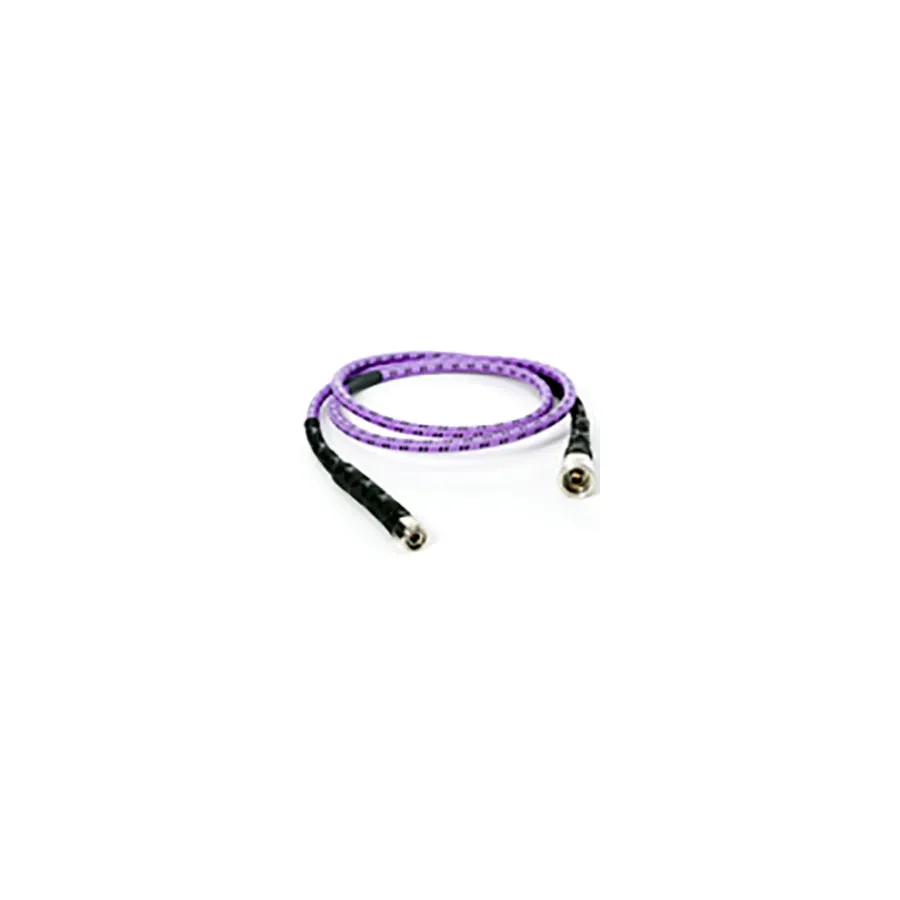
RF Cables
RF Cables
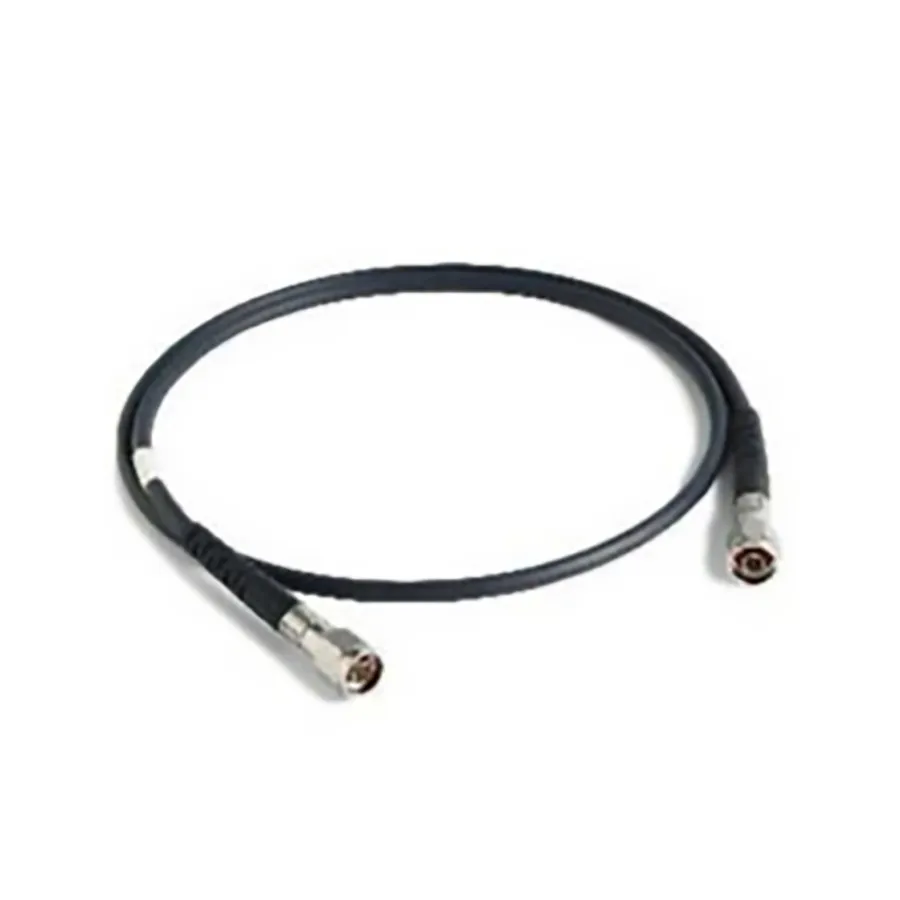
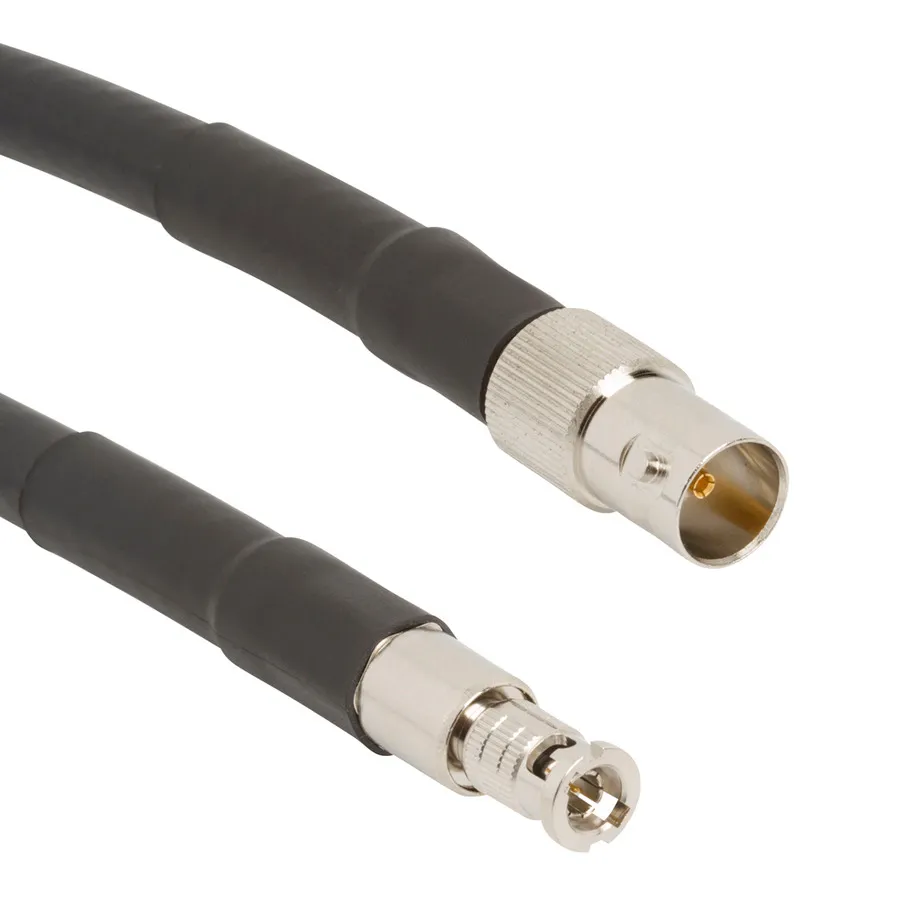
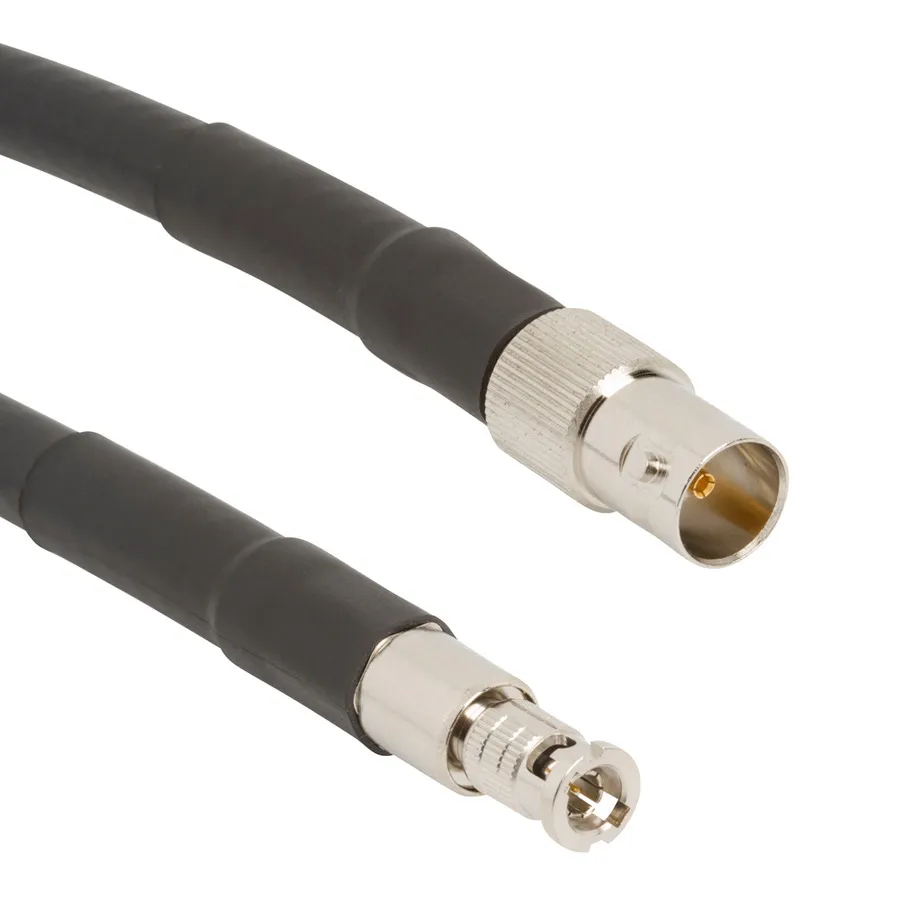
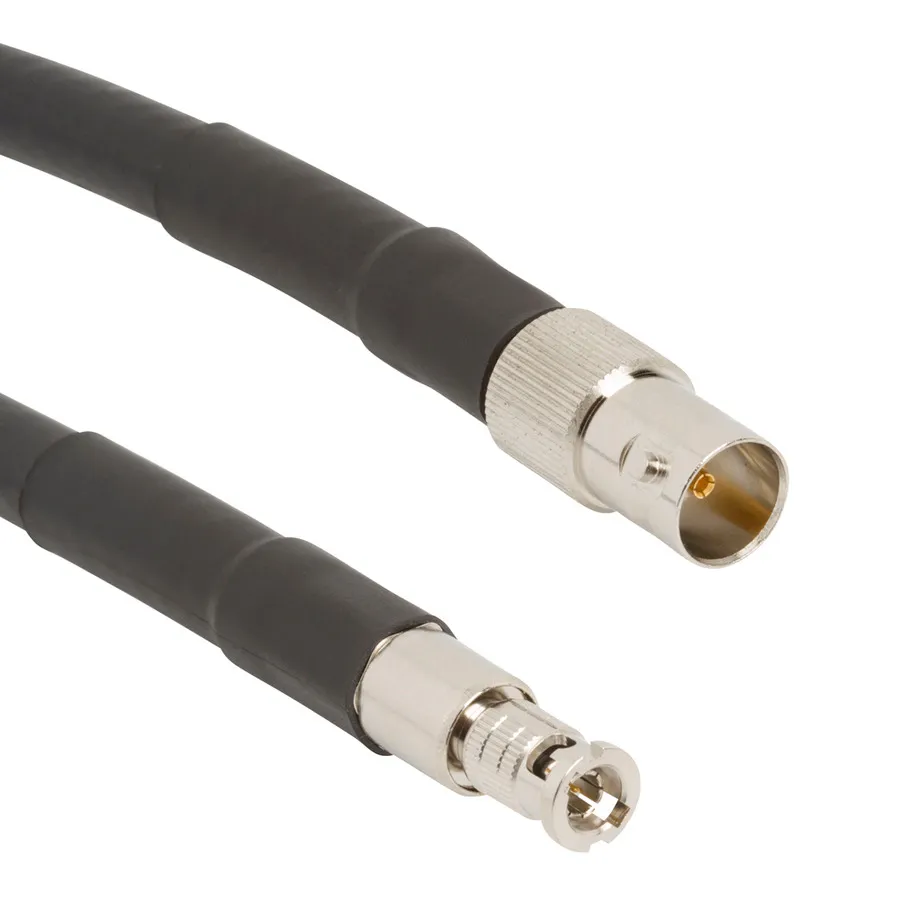
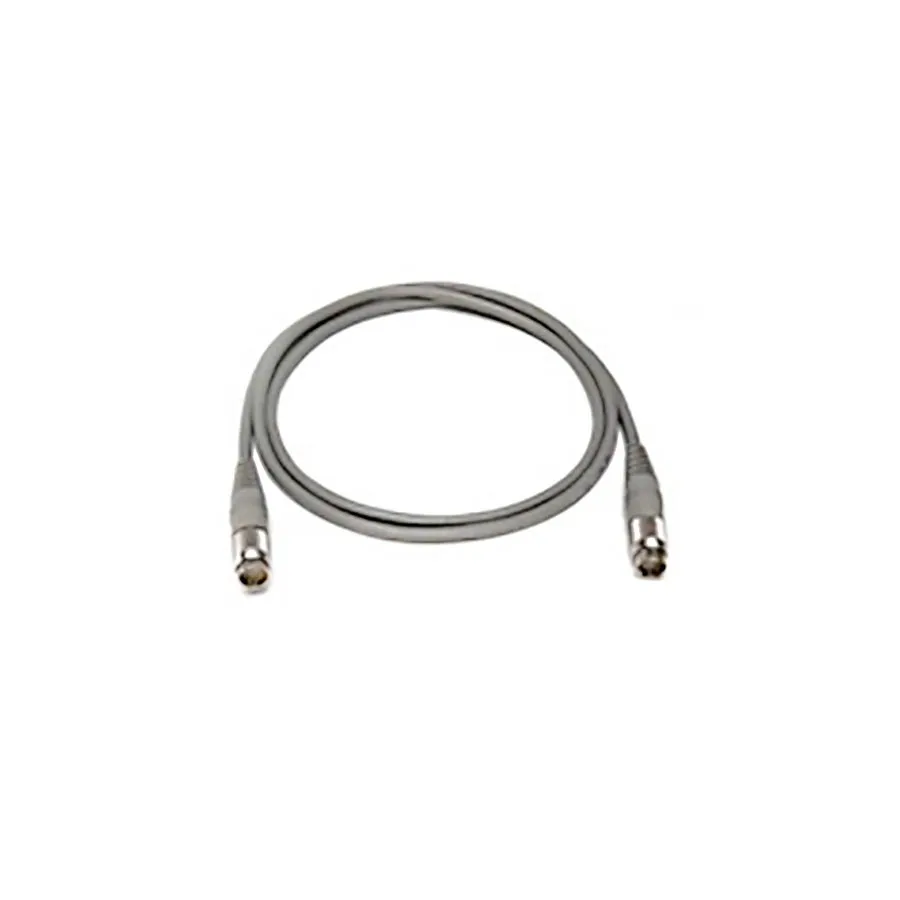
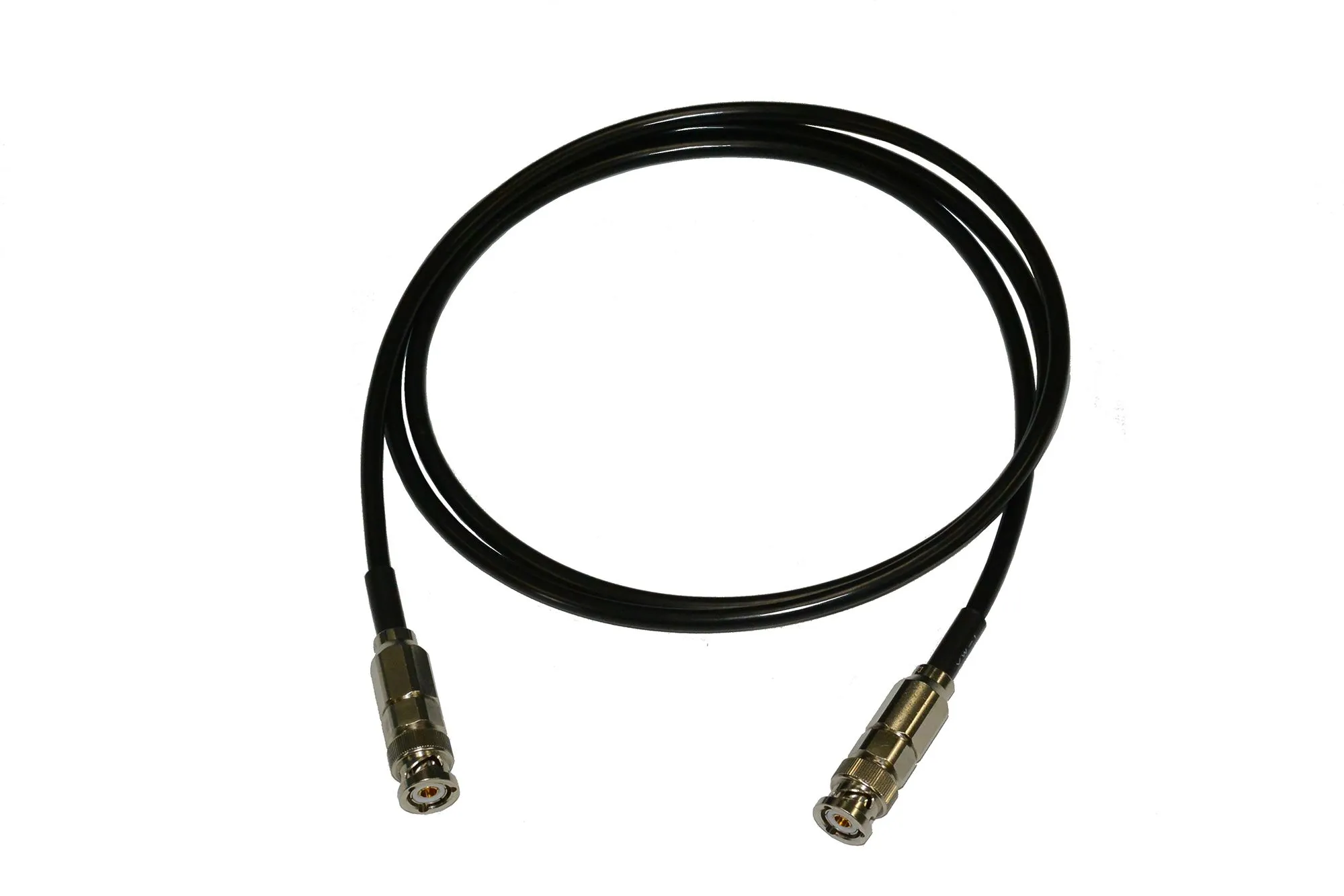
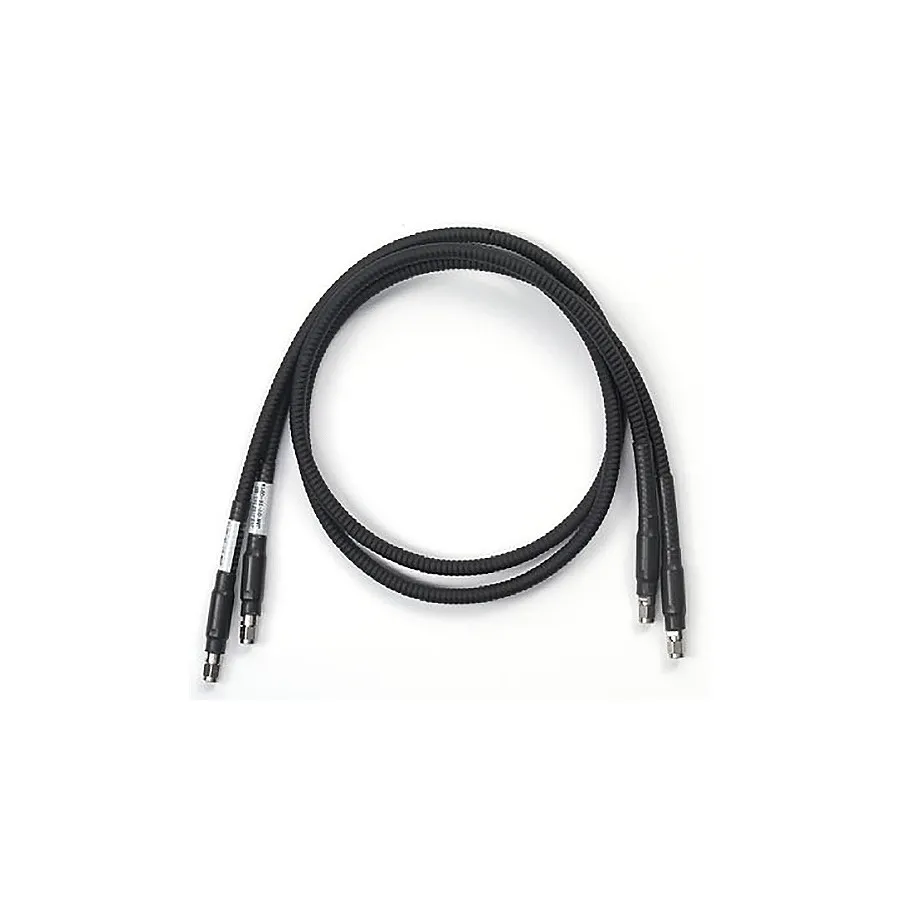
RF cables are precision coaxial transmission lines used to interconnect RF and microwave test instruments, antennas, devices under test, and signal conditioning components. Unlike general-purpose cables, RF test cables are engineered for low insertion loss, controlled impedance (typically 50 Ω), phase stability, and mechanical durability across a specified frequency range. Phase-stable and phase-stabilized cables are particularly important in vector network analyzer (VNA) setups, antenna pattern measurements, and phase-coherent multi-channel systems, where small phase variations introduced by cable flex can directly corrupt measurement results.
RF cables are available in a variety of connector configurations including SMA, Type-N, APC-7, 3.5 mm, 2.4 mm, and 1.85 mm, to suit instrument ports from DC through millimeter-wave frequencies. Ruggedized variants withstand repeated bending in harsh laboratory or field environments without significant changes to their electrical characteristics.
Typical Applications
- Connecting VNA ports to devices under test for S-parameter characterization and filter measurement
- Phase-stable interconnects in antenna measurement chambers and far-field test ranges
- Signal routing in multi-channel phase-coherent radar and communications test systems
- Portable field use in telecommunications site acceptance testing and antenna alignment
- Interconnecting RF signal generators and spectrum analyzers in conducted emissions testing
Popular Brands
Tektronix supplies a range of phase-stable and ruggedized phase-stabilized RF cable assemblies, including Type-N to SMA configurations suited to its oscilloscope and signal analysis instruments. Huber+Suhner, Radiall, and Pasternack are also recognized suppliers of high-performance RF cable assemblies for laboratory and field use.