Antennas
Antennas
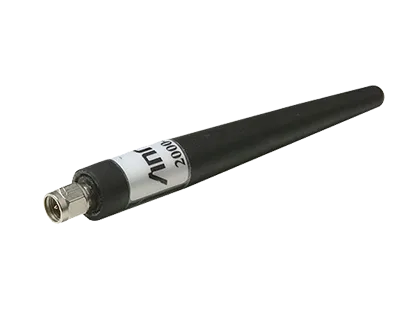
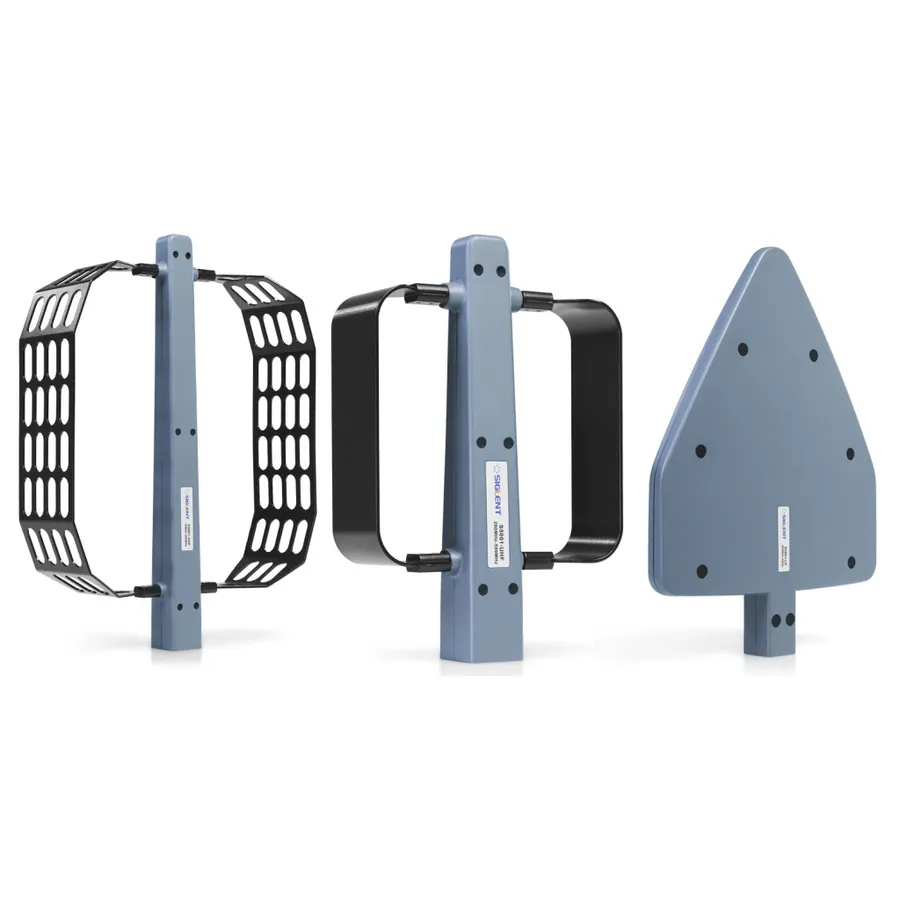
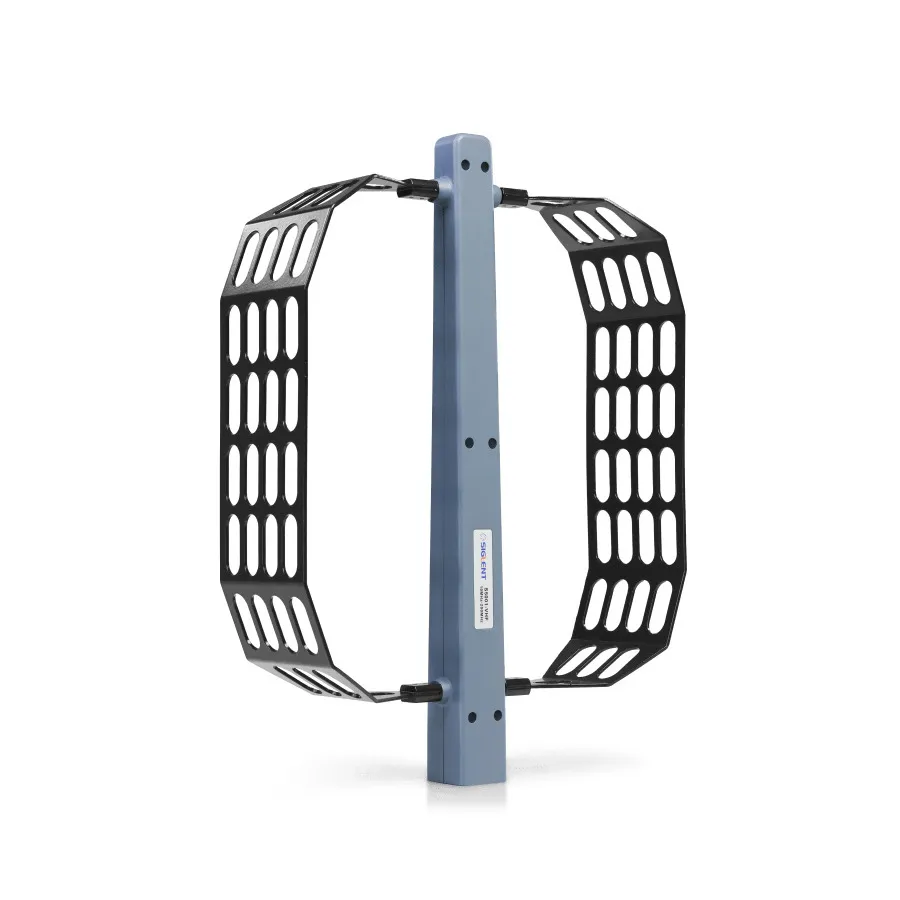
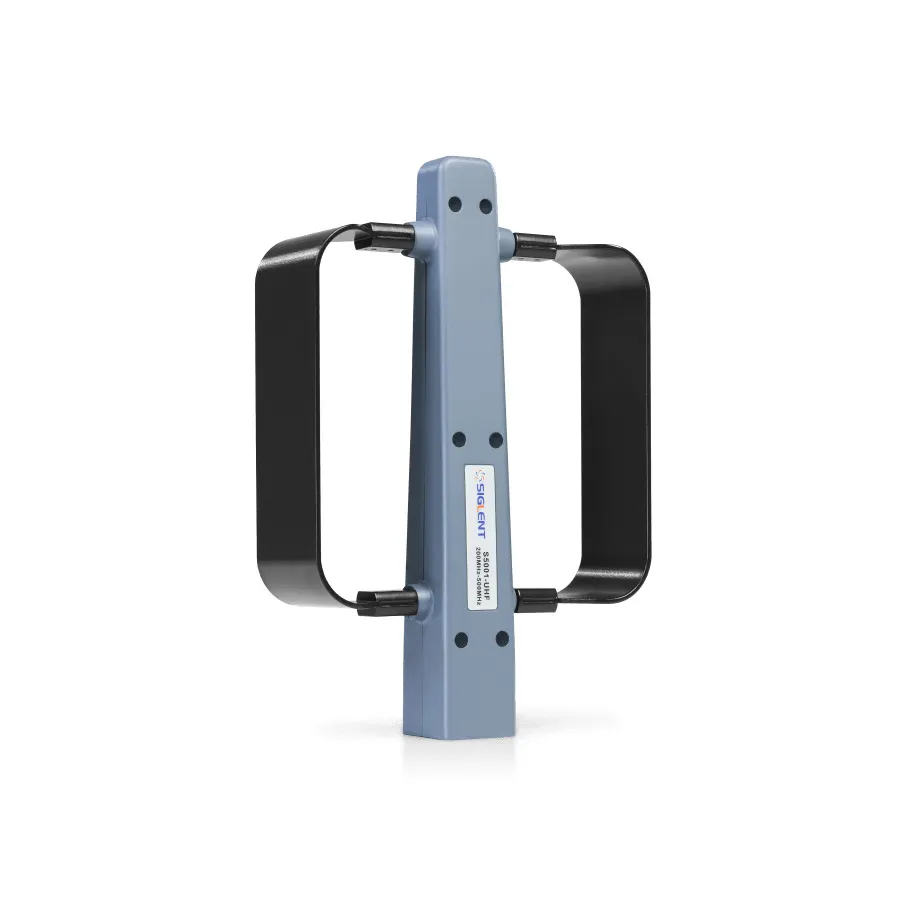
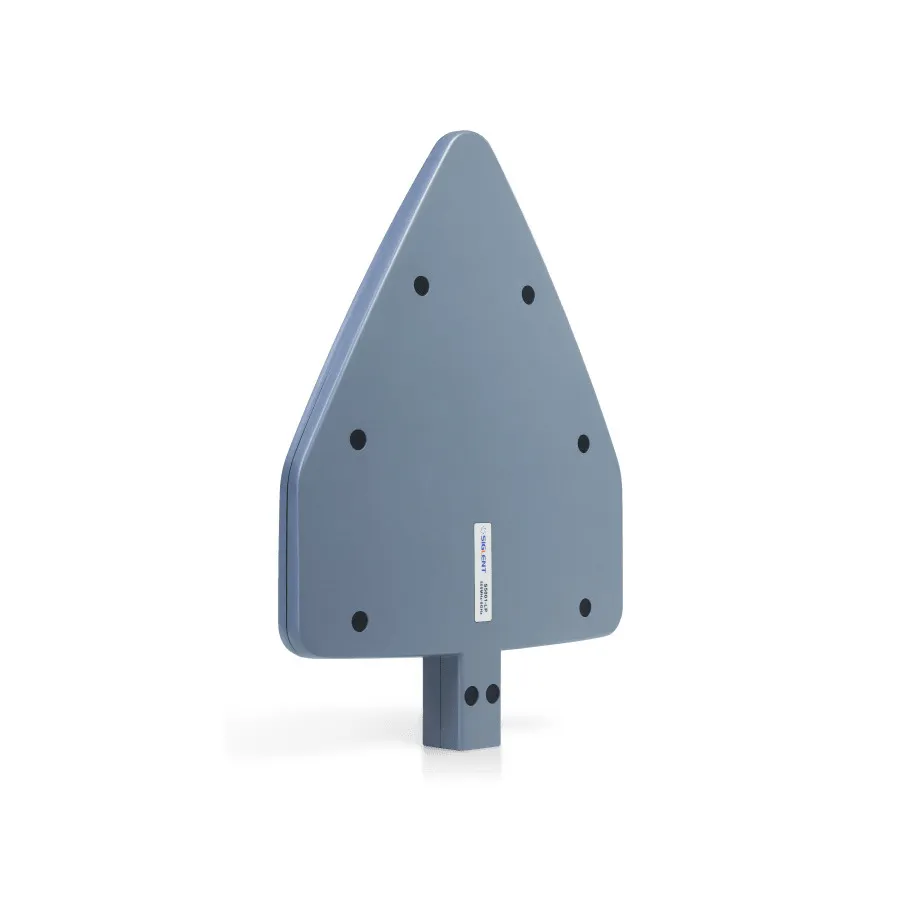
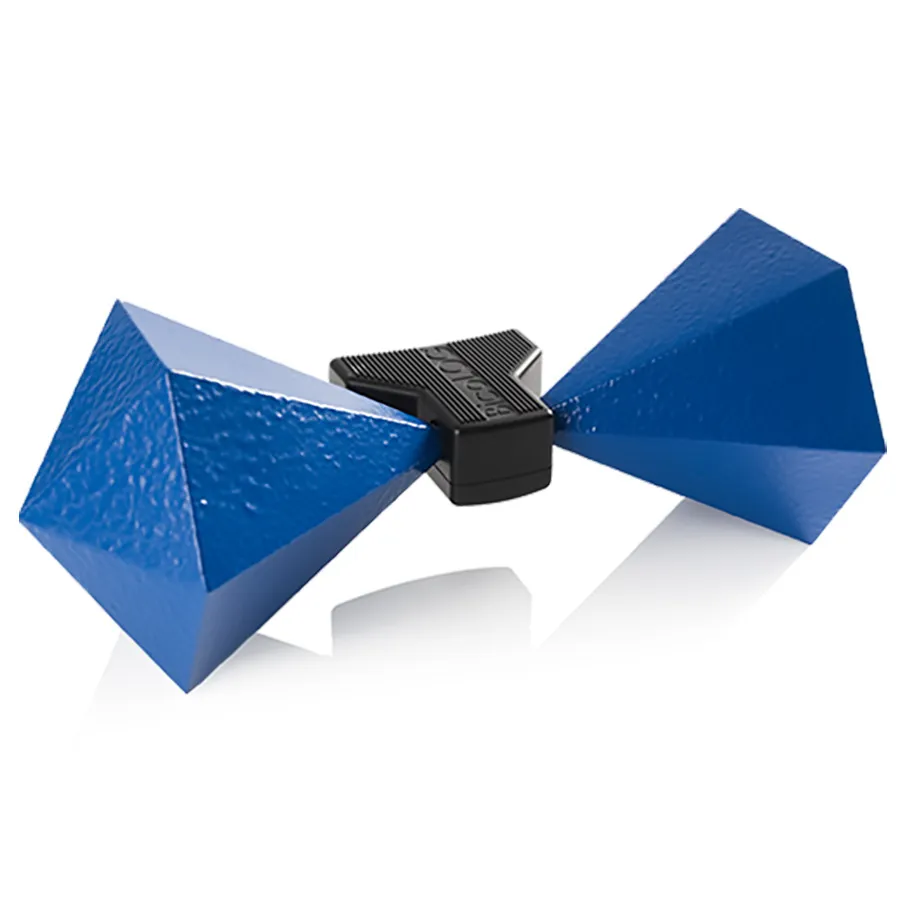
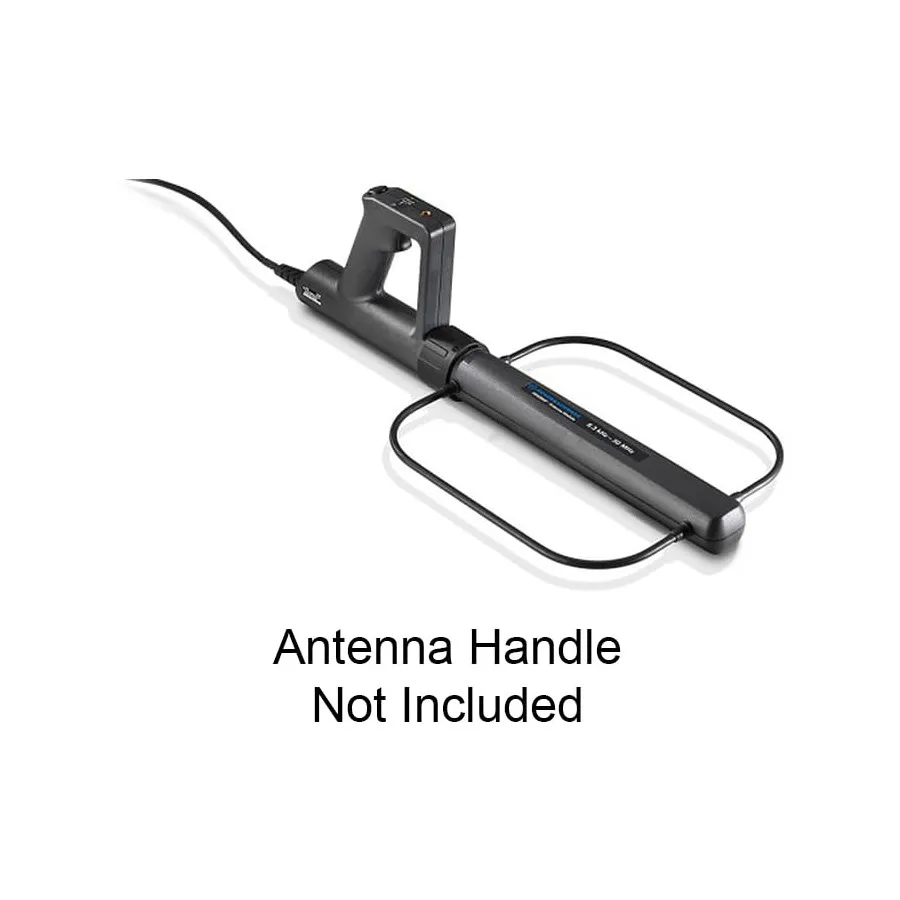
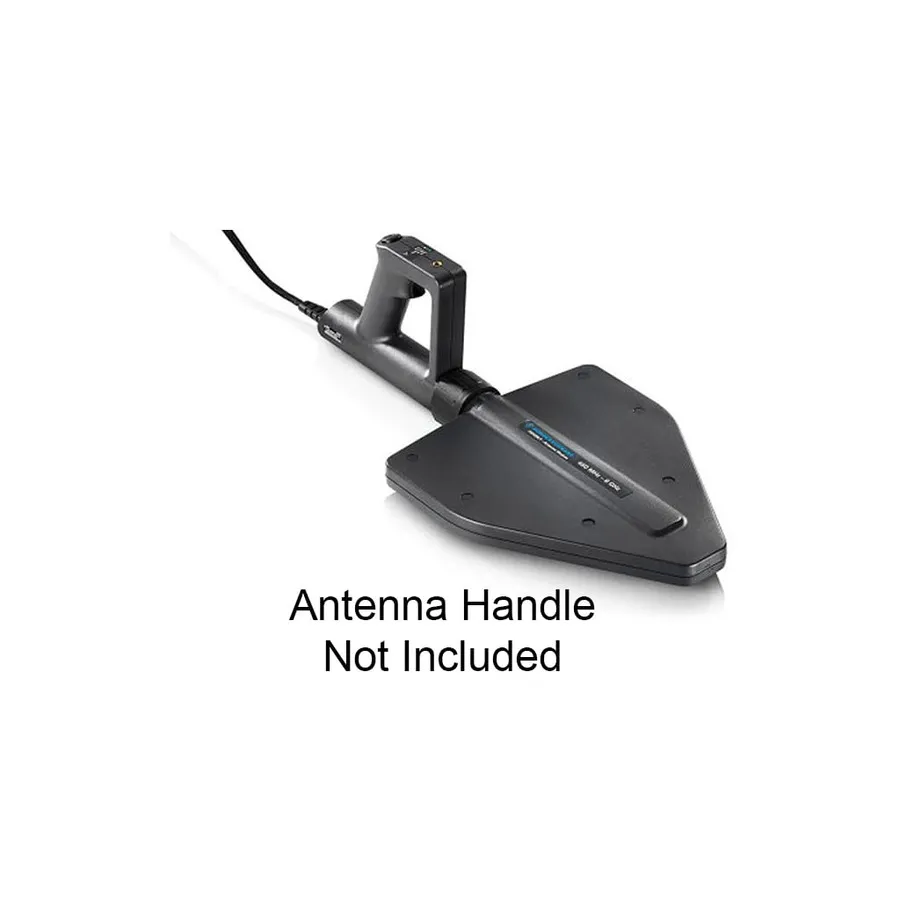
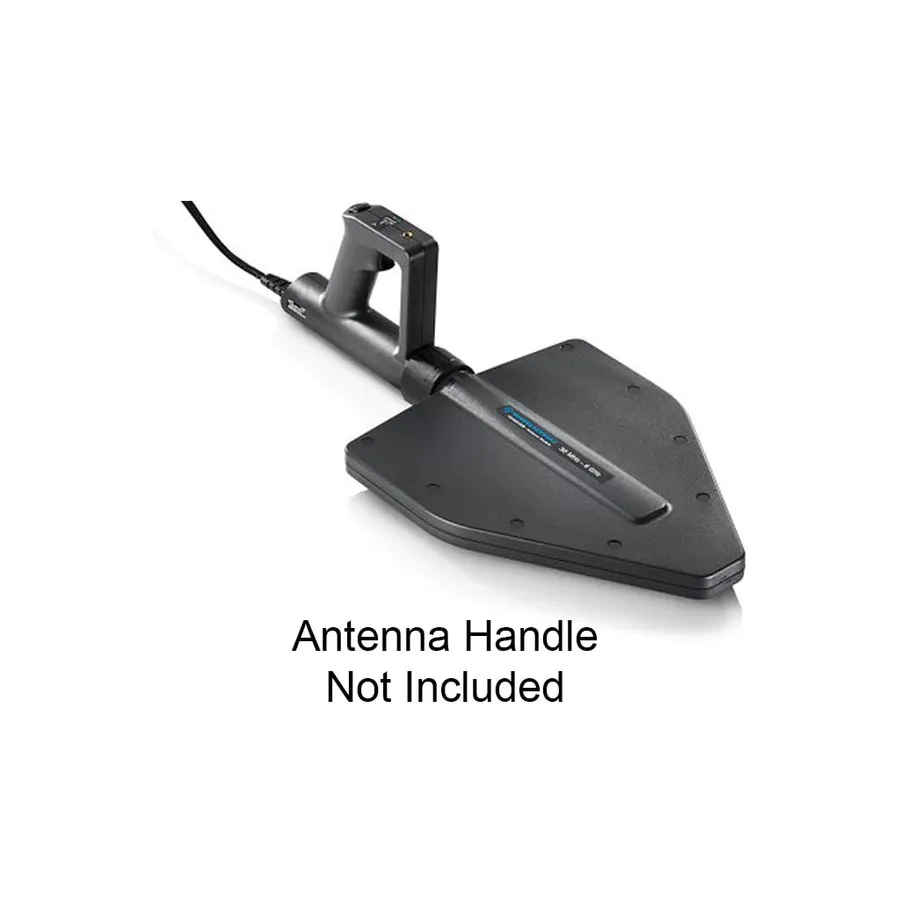
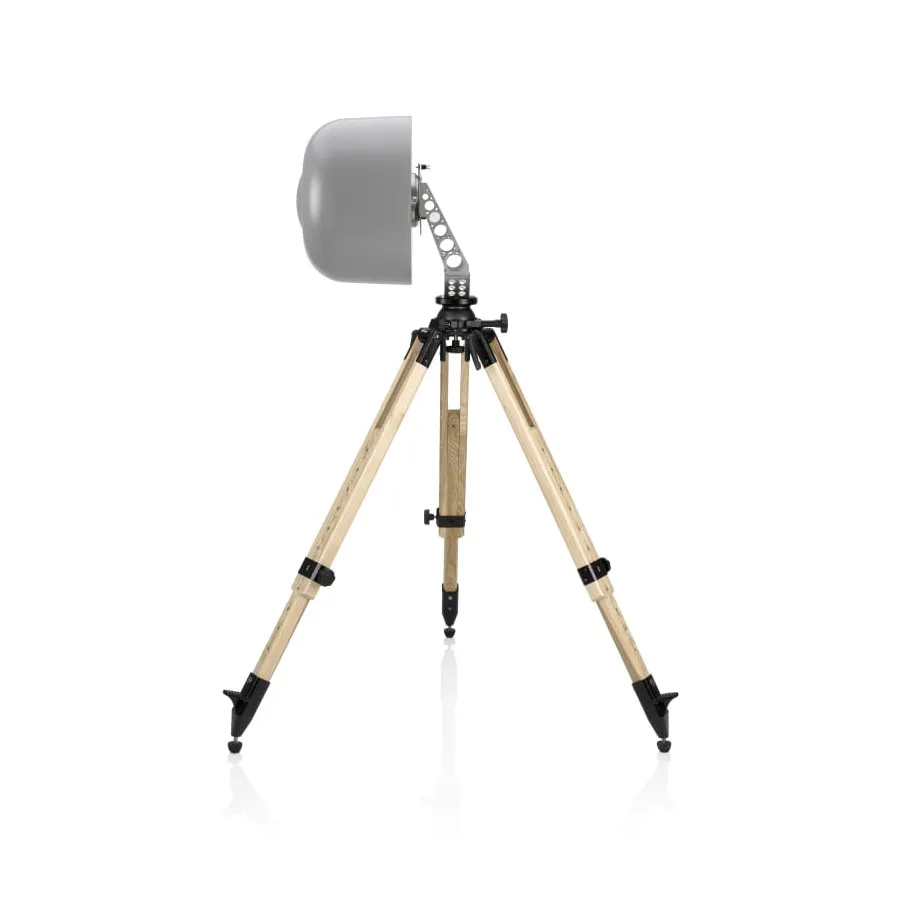
Test and measurement antennas are precision RF transducers used in EMC testing, field strength measurements, and wireless communications verification. Unlike consumer antennas, EMC test antennas are characterized over a broad frequency range with calibrated antenna factors, gain values, and defined polarization properties, enabling traceable and repeatable measurements. Common antenna types include biconical antennas (20 MHz–300 MHz), log-periodic dipole arrays (LPDAs, 200 MHz–6 GHz), double-ridged waveguide horn antennas (1 GHz–40 GHz), loop antennas (9 kHz–30 MHz), and whip monopole antennas for portable field measurements.
These antennas are deployed in accredited test laboratories and field measurement systems for radiated emissions testing per CISPR 16-1-4 and for radiated immunity testing per IEC 61000-4-3. They also find application in site attenuation measurements, field strength monitoring, wireless protocol verification, and spectrum surveillance across telecommunications, aerospace & defense, automotive, and electronics manufacturing sectors.
Typical Applications
- Radiated emissions measurements per CISPR 16-1-4 in semi-anechoic chambers and open-area test sites (OATS)
- Radiated immunity testing per IEC 61000-4-3 over 80 MHz–6 GHz
- Normalized site attenuation (NSA) measurements and RF site surveys
- Field strength monitoring and spectrum surveillance in telecommunications networks
- Antenna pattern measurements and OTA testing for wireless and cellular devices
Popular Brands
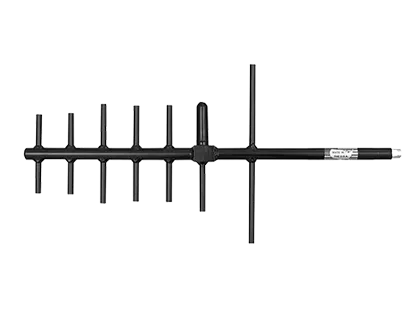
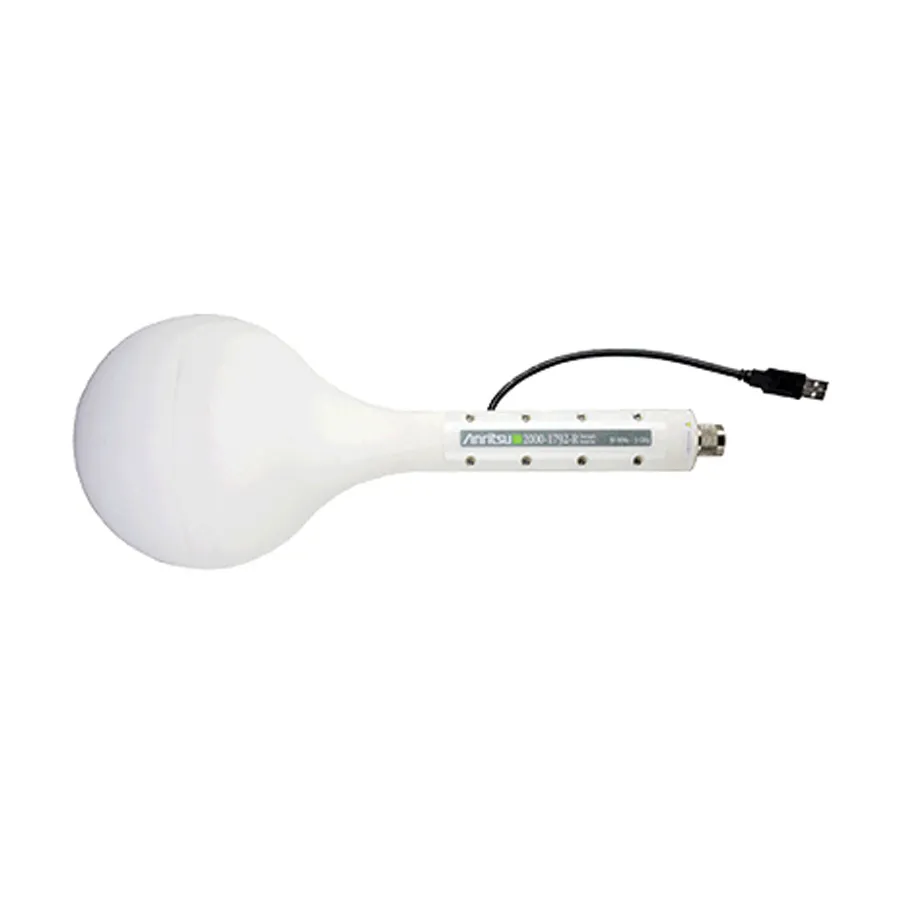
Anritsu provides field measurement antennas including whip, loop, and Yagi types designed for use with its portable spectrum and network analyzers. Schwarzbeck and AH Systems are recognized manufacturers of precision EMC test antennas used in accredited laboratories worldwide. Com-Power offers biconical and log-periodic antennas as part of complete EMC test setups.